Manuel Antonio, Tortuguero, Corcovado, and Arenal are the parks people plan a trip around. Manuel Antonio caps how many people enter each day. Corcovado requires a guide. Tortuguero has no road. Arenal is a view from the base, not a climb. A park day needs the morning.
Manuel Antonio, next to Quepos, is the short Pacific park. The trails, the monkeys, and the beaches are past the gate. Punta Catedral is a forested point, about an hour if the path is not too muddy. Playa Manuel Antonio, inside the gate, is the calmer swim. Playa Espadilla, the public beach outside, can pull. Do not leave food on the sand.
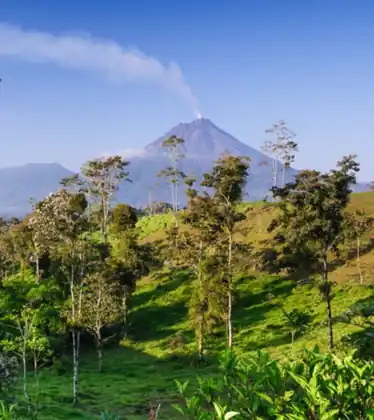
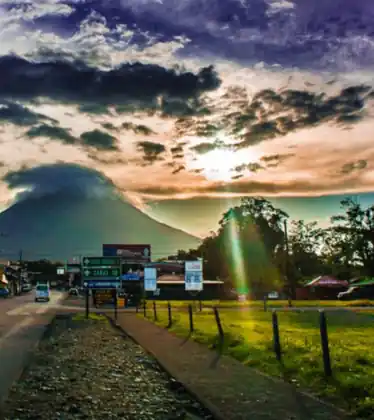
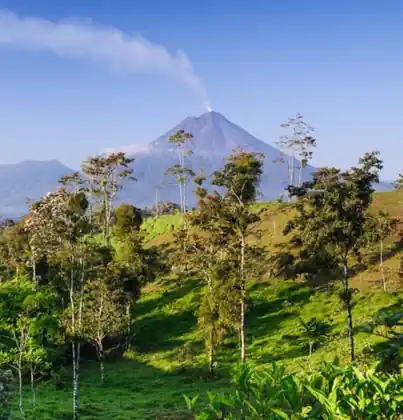
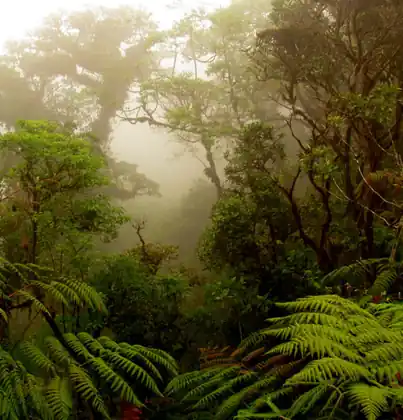
Arenal, at La Fortuna, is the cone you look at. The summit stays closed. The 1968 lava trail is open rock and little shade. The hanging bridges are a separate loop in wet forest, slick after rain. The town waterfall is a long stair to a cold pool, and the same stair back out. The hot springs around the base are built pools and a separate ticket, usually after dark.
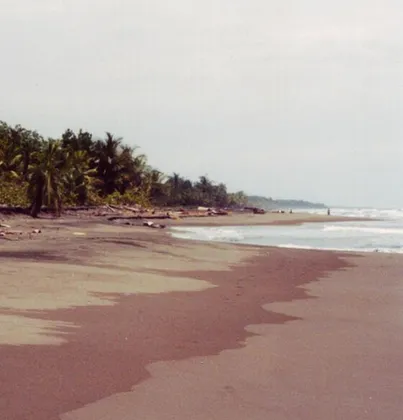
Tortuguero is canals, not a highway. You arrive by boat, and most stays are a night. The daytime trip is the canals. The beach is for nesting, not a noon swim. Corcovado, on the Osa Peninsula, is the large lowland forest. Sirena ranger station is inside the park. You reach it with a guide, by boat or a long beach walk. It is not a view from the road.
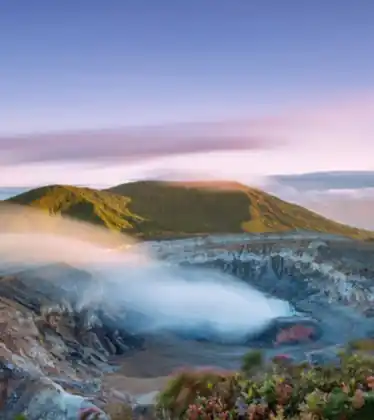
The others are worth it when you are already next door. Cahuita is a reef you can walk to from town. The water is clearer after a few drier days, not the morning after a hard rain. Marino Ballena, at Uvita, is the whale-tail beach. The sandbar exists only at low tide, and you pay at the ranger hut. Las Baulas, at Playa Grande, is the leatherback beach from October to February, at night, with a guide. Poás is a steaming acid lake above Alajuela. You look from the rail. You do not walk to the lake.
Manuel Antonio limits the day. Come at opening. A late arrival can mean you never get past the gate. Buy the entry ahead when the system allows it, and still arrive early, because the line and the cap are both real. Corcovado does not work as a walk-up. Book the guide, then the boat from Drake Bay or the track from Puerto Jiménez. Do not start after lunch.
Tortuguero is a boat, and a same-day return from Limón is a long time on the water. Plan the night. Poás and the other volcano overlooks are a morning visit. Cloud often covers the crater before noon. Caps and guide rules change, so check the week you are going.
A gate is often about $15 to $25 a person. Manuel Antonio sits toward the top of that range. Corcovado is the gate plus the required guide, so budget it as a guided day, not as a ticket. Tortuguero adds the boat, and usually the room, because you stay. Cahuita and Marino Ballena are smaller fees when you are already in town. The hot springs at Arenal are not included in the park.
Confirm the price when you book. A number on a page goes out of date. A small gate still prefers cash, in small bills. How a day adds up is in what a trip costs.
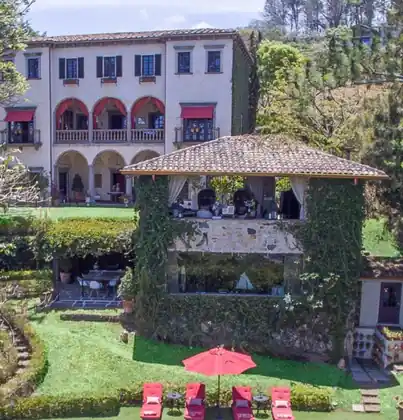
Stay in Quepos or in the hotels in the forest above Manuel Antonio. The gate is a short ride, not a day of driving. Stay in La Fortuna for Arenal. The trails are a drive from the square, not a stroll. Stay overnight in Tortuguero. For Corcovado, the bases are Drake Bay, which is a boat landing more than a drive, and Puerto Jiménez, the gulf town with the dock. For Poás, sleep in Alajuela and leave at opening. The crater is a morning drive up, and cloud often wins if you start late.
For Cahuita, sleep in Cahuita. The trail starts between the houses. For the whale tail, sleep in Uvita and check the tide before you walk. The wider map is in the geography guide.
At opening. The first hour is when you see animals, and it is when a capped park still has room. Midday is heat on the lava trail, on Manuel Antonio's sand, and on the beach walk into Corcovado. On Poás, late morning is often white. A boat that leaves in the morning does not wait, in Tortuguero or in Drake Bay.
Do not plan a park as the stop after a long drive that same morning, unless the drive is short, as Quepos to Manuel Antonio is. La Fortuna to the volcano trails is a drive. Alajuela to Poás is a drive. Leave time to be at the gate when it opens, not when you hope the cloud will lift.