- Book through ACOSA before you go. Corcovado is not a SICORE ticket, as of 5 Oct 2026.
- A guide is required on the trails to Sirena, as of 5 Oct 2026.
- The park is open every day, 7:00–15:00. Leave at first light, as of 5 Oct 2026.
- A foreign adult pays US$16.95. IVA is included, as of 5 Oct 2026.
Corcovado National Park
Costa Rica
Corcovado National Park, on the Osa Peninsula, takes in lagoons, marsh, mangroves, rivers, wet forest and 46 km of sandy beach, and SINAC says about 2.5% of the world's biodiversity lives here. You might meet a tapir on the beach or a herd of peccaries, but nothing is promised: weather, tides and season decide. Visitors come by boat from Drake Bay and Sierpe or by road from Puerto Jiménez toward Carate, La Palma and Dos Brazos. Book with ACOSA before you go. You need a guide on the trails to Sirena.
Check before you go
Facts
Tickets: ACOSA. Book before you go.
Fee: US$16.95 for a foreign adult. IVA included, as of Oct 2026.
Hours: Every day 7:00–15:00.
Guide: Required on the trails to Sirena.
Contact
Phone (ext. 120, 121): +506 2775-1210
WhatsApp: +506 8817-9544
Reservations (required): acosa.reservaciones@sinac.go.cr
Official page: SINAC park page
Checked with SINAC, as of 8 Oct 2026.
Map
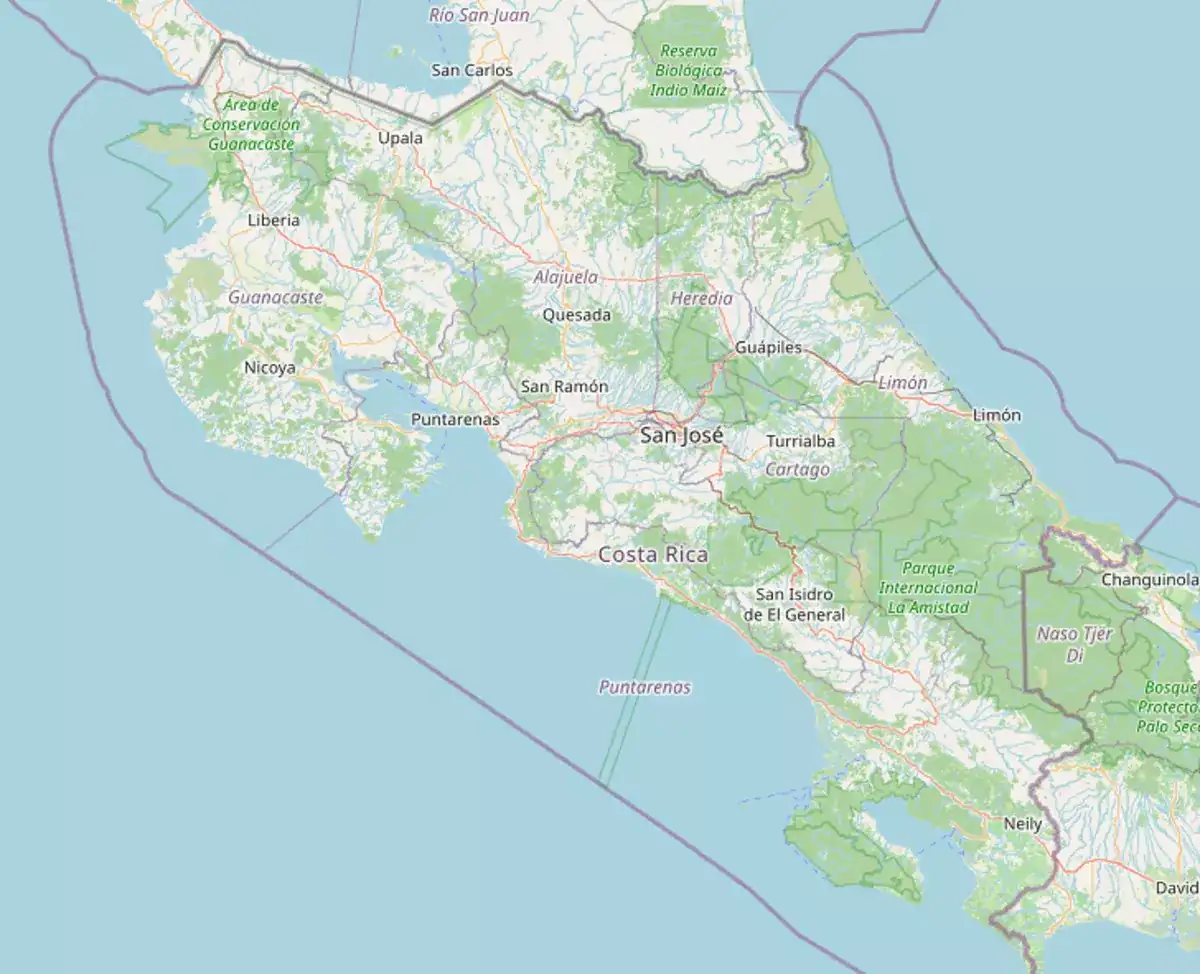
- Sirena ranger station: Sirena Biological Station sits deep inside the park. You reach it on foot with a guide from La Leona or Los Patos, by boat, or by small plane to its landing strip. Around it run about 20 km of local trails and the Río Claro pool, and near the mouth of the Sirena river you may see bull sharks and crocodiles at high tide. You can't bring food in; meals are by reservation.
- Carate and La Leona: From Puerto Jiménez, a 40 km dirt road runs to Carate: about 1½ hours by car, or about 2 hours in the collective truck. From the end of the road a beach walk takes you into the park at the La Leona sector, where the guided route to Sirena starts. In turtle nesting season, hatchlings can be seen at La Leona. Go in daylight, and don't swim: the currents are strong.
- Drake Bay boat: Drake Bay is reached by boat from Sierpe; drivers take the Inter-American Highway and the road via Rincón to Agujitas, about 7 hours from San José. From Drake, boats take visitors and their guides along the coast into the park; trips in the area run from 30 minutes to 1½ hours. The San Pedrillo sector has the 1.5 km Catarata trail, the 7 km Llorona trail, the 2.5 km Pargo trails and the Marcos Reyes trail.
- The trail: Stay on the marked trails and public-use areas; walking off them is not allowed. On both routes into Sirena, a guide walks with you. For the whole Los Patos–Sirena–La Leona crossing, SINAC suggests three days; on a day visit, pick one stretch. Bring quick-dry clothes, closed shoes or rubber boots, and sandals to rest in at the station.
Corcovado National Park is one of the most unique ecosystems in Central America: ICT counts some 6,000 insects, 500 trees, 367 birds, 140 mammals, 117 amphibians and reptiles, and 40 freshwater fish. Scarlet macaws cross the Osa, whales pass offshore, and many of the animals here are endangered. A guide at first light gives you the best odds. Don't leave the trail to follow an animal, and never feed or touch one.
Corcovado National Park has six sectors open to visitors: San Pedrillo, Sirena, La Leona, Los Patos, Los Planes and El Tigre. You enter only through the official access posts. El Tigre is a hard 7 km hike with lookouts from some of the park's highest points. Los Patos has trails to the Rincón river, a waterfall and tall forest, and passes near the Guaymí Indigenous Reserve. Both La Leona and Los Patos connect with Sirena.
Corcovado National Park is hot, rainy and very humid. The dry season runs from mid-December to mid-April, with the odd shower, and the rainy season from mid-April to mid-December. Rain averages about 3,500 mm a year on the coast and 5,500 mm in the hills. The weather changes quickly, so pack your clothes in a plastic bag inside your backpack and keep your phone and passport in zip-lock bags. Bring a cap and sunscreen.
You reach Corcovado National Park through Puerto Jiménez, Drake Bay or La Palma. By car from San José, take the Inter-American Highway to La Chacarita and turn off toward Puerto Jiménez, about 7 hours; La Palma is on the way. A direct bus from San José to Puerto Jiménez, stopping at La Palma, takes about 9 hours. Daily flights reach Drake Bay, Puerto Jiménez and Golfito in about an hour. From La Palma, a private collective goes to Los Patos.
Yes. Every visit to Corcovado National Park needs a reservation made ahead with ACOSA's reservation office, by email; Corcovado is not sold through SICORE. The office answers every day except legal holidays. For the El Tigre sector, you book with the Dos Brazos de Río Tigre conservation association instead. Meals are served only at Sirena and El Tigre, and only if you reserve them.
A foreign adult pays US$16.95 at Corcovado National Park. IVA is included, as of Oct 2026. Non-resident children pay a lower fee, and children under 2 enter free. Costa Rican nationals and residents pay in colones, and those over 65 enter free. Your guide, boat, transport and meals are separate costs, so ask what your tour includes. Confirm the fee with ACOSA when you book.
Corcovado National Park is open every day, 7:00 to 15:00, and SINAC asks visitors to keep to those hours; night walks are not allowed. Leave at first light. On the beach stretches a late start can miss the tide window, and you do not set out after lunch. If you stay overnight at Sirena or San Pedrillo, bring your toiletries, sleeping gear such as a tent, sheets and a towel, and any medicine you need.
Yes. At Corcovado National Park, the routes from La Leona to Sirena and from Los Patos to Sirena must be walked with a tour guide, and SINAC asks visitors to hire a local guide for any hike inside the park, since this is rough, remote terrain. Your guide should be registered with the park's reservation office. Local guide associations, tour operators and community groups in the area can help you find one.
At Corcovado National Park, don't swim at the park's beaches, where the currents are strong, and don't walk at night. Picnics are not allowed, food can't go into Sirena, and single-use plastic is banned. Pets, weapons, smoking and entering drunk are not allowed either. Don't touch, feed or harass animals, don't take stones or plants, and carry your trash out with you. Look after your belongings.
Parks near

Piedras Blancas
Rainforest on the Golfo Dulce, near Golfito. Rivers decide the day in the wet months.
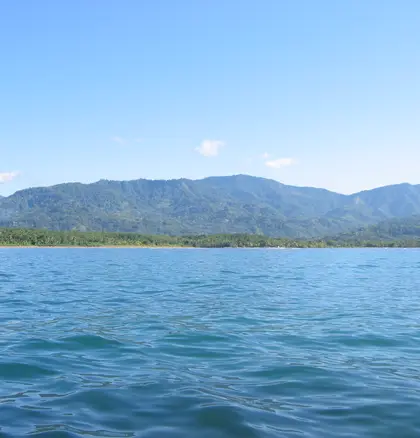
Marino Ballena
The whale-tail sandbar at Uvita. You walk it only at low tide, and pay at the ranger hut.
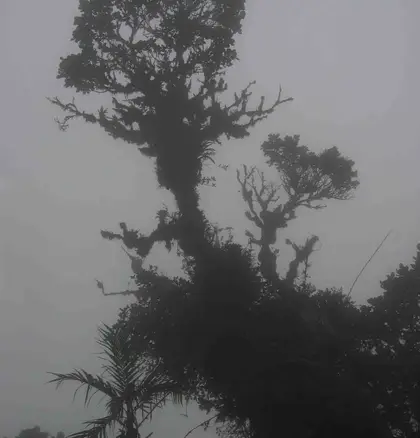
La Amistad
The largest park in the country, shared with Panama. Remote trails from the Coto Brus side.
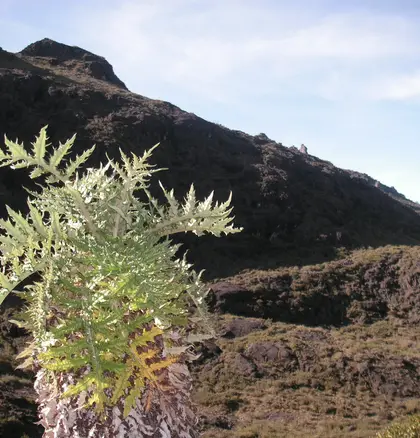
Chirripó
The highest peak in the country. A booked permit, a 3 a.m. start, and a night at the base lodge.
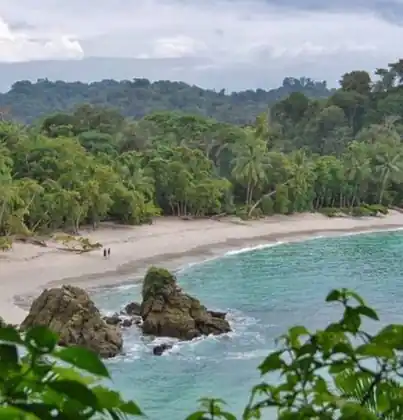
Manuel Antonio
The short Pacific park: monkeys, sloths, and a swim inside the gate. Closed Tuesdays.
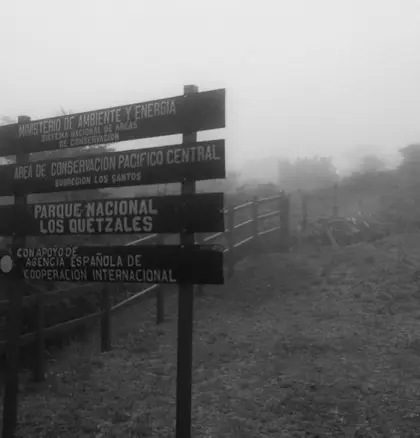
Los Quetzales
Cold oak forest at km 76, for quetzals. Pair it with a night in San Gerardo de Dota.