- Limón portCranes and containers mark a working port. You see them from the sea wall. You do not walk the docks; the city is the stop, not a beach resort.
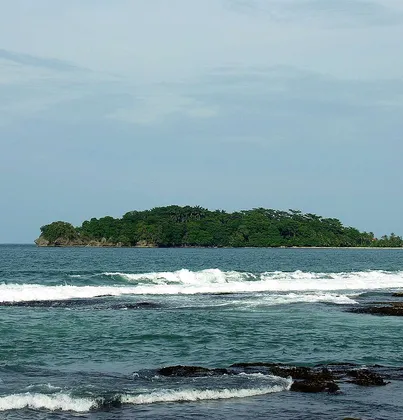
- Uvita IslandThe island sits just off the seafront park. You look from the wall. There is no ferry and no beach to swim out to; Columbus landed nearby in 1502.
- Parque VargasHuge trees fill the seafront park, and a sloth is possible. Walk it as a city park: bag closed, people around. The island is the view offshore.
- Black Star Line muralA mural about Garvey's Black Star Line is a wall you walk to, not a museum. Read it from the sidewalk. There is no ticket and no shop attached.
- Tortuguero day tripBoats, not a highway, reach the canals. A same-day return is a long time on the water. Most stays are overnight, not a quick morning outing.
- Cahuita day tripSouth of the port, the reef village is a fair day by bus or car: beach path and snorkeling. You can be back by evening. It is not the canal trip.
- Caribbean boardwalkThe sea wall is a plain walk: air, the island, and the cranes. It is not a resort promenade. Daytime is the simple time; keep your bag in front.
- Central MarketMorning fills the hall with Caribbean plates, produce, and noise. Bring cash. It is a working market, not a dining room built for visitors.
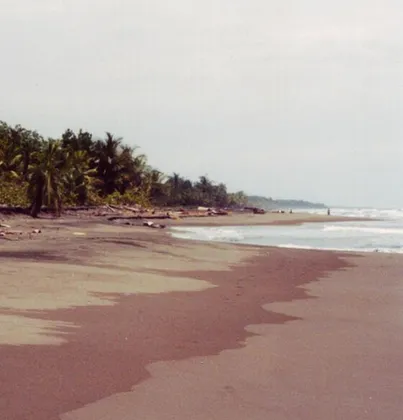
- Playa BonitaA short taxi north reaches dark sand and a real break. Watch a set before you get in. Not a sheltered pool, and not a stroll from the park.
- Cruise terminalWhen a ship is in, taxis stack outside the terminal. If you are not sailing, you do not enter. It is a way in or out, not a place to spend time.
The landscape is caribbean port, coast, and lowland rainforest. You are likely to see sloths, howler monkeys, toucans, pelicans and parrots around the port parks. The plants around them are coconut palm, almond, sea grape and Caribbean lowland trees.
Around Limón, sloths are in the park trees near the port, and easy to miss from a car. Pelicans work the waterfront. The beaches and the canals are outside town.
Tortuguero National Park's sea-turtle programs to the north, and Parque Vargas as the city's green core.
In Limón, nesting beaches need low lights and a guide who follows the rules. On the trails, stay on the marked path.
The climate is tropical wet. It is hot and humid, about 25–31°C. Rain year-round, heaviest from November to January, with a drier spell in September and October. Limón sits at sea level.
A dry morning can still rain by afternoon. Pack for both on the same day. The countrywide calendar is in the best time to visit Costa Rica.
Most people leave Juan Santamaría in Alajuela, take Highway 32 through Braulio Carrillo National Park, and reach Limón. The coast road then continues to Cahuita, Puerto Viejo, and Manzanillo.
The road along this coast is slower than it looks. Do not start it late. Buses, shuttles, and rental cars are compared in getting around Costa Rica.