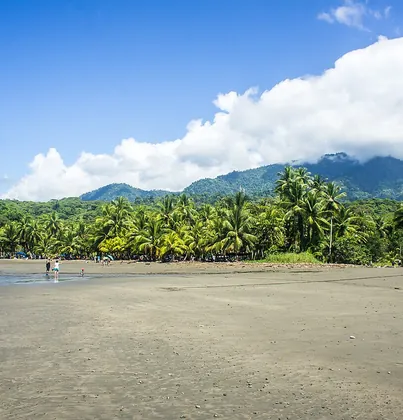
- The whale tailA sandbar inside the marine park, and only at low tide. At high water the path is gone. Check the tide in town before you leave. You walk out from the beach.
- Marino Ballena National ParkThis park is the beach and the water in front of it. Pay at the ranger station. The sandbar shows only at low tide. It is not a forest hike.
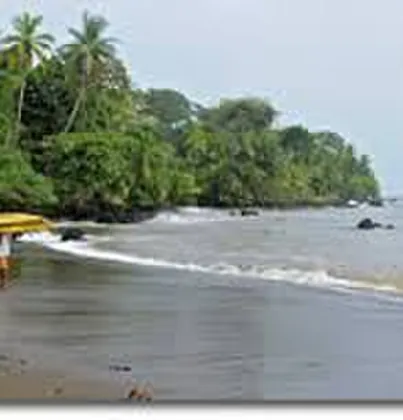
- Uvita beachYou can swim when the wave is small. It still breaks, milder than the heavy beach to the north, and it is not a pool. Morning is the easy hour.
- Whale watchingHumpbacks are offshore from about July to October. A December-to-April sighting is reported some years. Do not book a trip around it. Take a morning boat. You may not see one. Other months are not a whale trip.
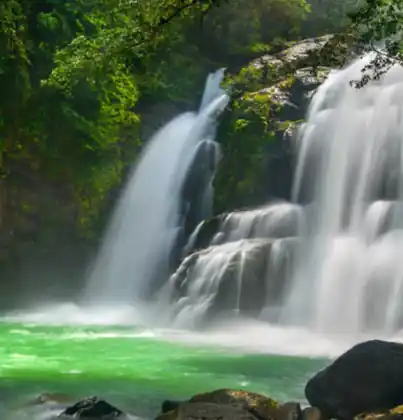
- Uvita waterfallsInland, a short walk ends in a cold pool on slick rock. Go early and you are back before lunch. It is fresh water, not the marine park.
- DominicalA short ride north brings heavier surf and more noise. Go to look, not to repeat a park swim. Read the sets from the sand before anyone gets in.
- Nauyaca waterfallThese falls sit inland, past the surf town to the north. The pool is cold, the way back is uphill, and from here the outing takes all morning.
- Playa ColoniaThis stretch is quieter than the sand by the main entrance. Low tide makes walking easier. Swim when the sets are small. Shade at noon is thin.
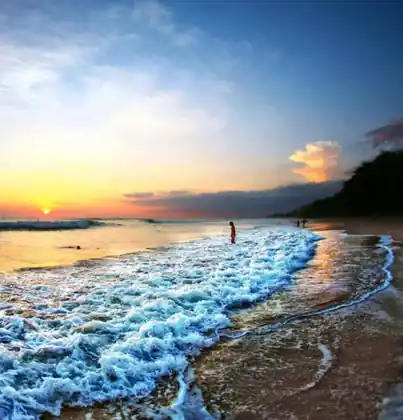
- Sunset on UvitaThe beach faces west. Arrive early if you want sand to sit on. The sandbar is a late walk only when the tide is also low. Otherwise stay on the shore.
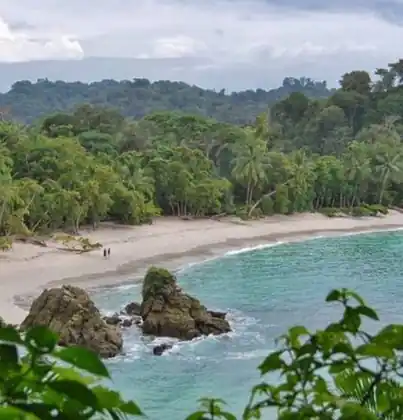
- Snorkeling the parkRocky spots in the park take a mask on a calm morning. The sandbar itself is only sand, not a reef. If the wave is up, stay off those rocks.
For breaks and seasons, see best surf spots in Costa Rica.
The landscape is a sandbar, a long beach, and forested hills behind the town. You are likely to see humpback whales in season, howler monkeys, and shore birds on the tail. The plants around them are beach almond, coconut, and the wet forest on the ridge above the highway.
Around Uvita, look for howlers in the first hour. The whales are offshore, not from the soda. Book the boat, and check which months they are actually here.
Marino Ballena National Park protects the sandbar and the water in front of it. Walk the tail at low tide, and do not leave the marked beach.
In Uvita, the tide is the rule. At high water the point is not a path, and the boats are supposed to keep their distance from the whales.
The climate is tropical wet and dry. It is hot, about 24–32°C. Little rain falls from December to April. Afternoon showers fall from May to November. Uvita sits at sea level.
The whale months do not match the dry season exactly. July to October is the window, and it is also the greener one. The countrywide calendar is in the best time to visit Costa Rica.
The nearest airport is Juan Santamaría in Alajuela. The drive is the coastal highway south, past Jacó and Quepos, about four hours. Dominical is the town just north if you are already on this road.
The last hour is slower than the map suggests. Do not start it late. Buses, shuttles, and rental cars are compared in getting around Costa Rica.