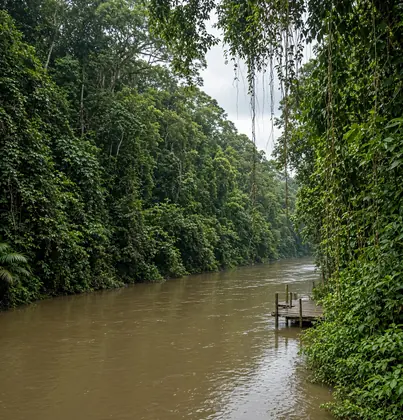
- The canalsCanal boats are why you came. Early and late, animals sit lower on the banks. No road replaces the ride; rain is normal; wear the jacket.
- Turtle beachBy day the shore is open surf, not a swim. Green turtles nest from July to October, and the night visit is guided, with lights kept off the sand.
- Tortuguero villageSand paths, sodas, and docks, and no cars. You can walk the village without rushing. The day you came for is on the water, not on the main path.
- Cerro TortugueroNorth of the houses, a boat, then a short path up a low hill. The view is canopy and coast. Ask that day if it is open; the steps get slick.
- Night walkAfter dark a guide walks the forest for frogs and insects. Closed shoes, and rain is likely. Not the nesting beach, and not a second canal tour.
- Birds on the riverTake the early boat for birds. Herons and kingfishers are the usual ones. Anything rarer is luck; later hulls leave more wake than wildlife.
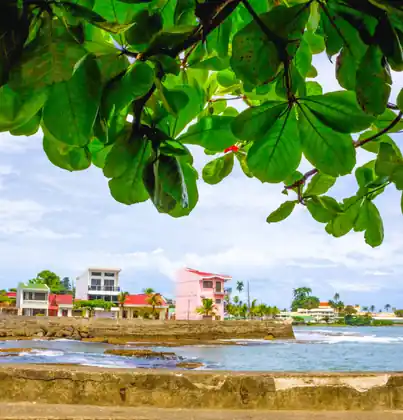
- Caribbean seaEast of the houses the sea is current and surf. Look, and leave it. The water to trust is the lagoon on the west side, not this open shore.
- Caño PalmaA research station sits on a quieter canal, with a short trail. You arrive by boat. It is not a visitor hall with staff; ask before you go.
- La Pavona boatsThe road ends at La Pavona, then a boat. Morning departures are the ones to trust. There is no road into the village; do not miss the boat back.
- Sunset on the dockDocks face the lagoon, so the sun drops over that water, not the open sea. Boats tie up. The beach on the sea side will not give you this.
The landscape is canal, flooded forest, and a long nesting beach. You are likely to see monkeys, sloths, caimans, kingfishers and herons. The plants around them are raffia palm, mangrove, and the wet forest that stands in the water.
Around Tortuguero, the first boat sees the animals low on the banks. Green turtles nest from about July to October. Do not expect them on the beach in March.
Tortuguero National Park protects the nesting beach and the canals behind it. Night visits in season are with a guide, and lights stay off the sand.
In Tortuguero, stay in the boat on the canal. On the beach after dark, the guide sets where you stand.
The climate is tropical wet. It is hot and humid, about 24–30°C. November to January is the heaviest rain, with another wet stretch in July. The canals still run. Tortuguero sits at sea level.
A drier month is still a wet month here. Pack for a shower even when someone calls the week dry. The countrywide calendar is in the best time to visit Costa Rica.
There is no road to the village. Most independent boats leave from La Pavona, after the bus or the drive through Cariari. Limón is the other dock. A small plane flies from San José. You start at Juan Santamaría.
Build the boat or the flight into the day. You cannot drive the last stretch. Buses, shuttles, and rental cars are compared in getting around Costa Rica.