- Cahuita National ParkFrom the village, a beach path runs through trees to the reef. Stay off the coral. Monkeys go for a loose pack; bring water; no shop inside.
- Playa BlancaLighter sand inside the park is the swim, reached on foot. Go before wind stirs the bottom. Carry water; food sellers stay back in the village.
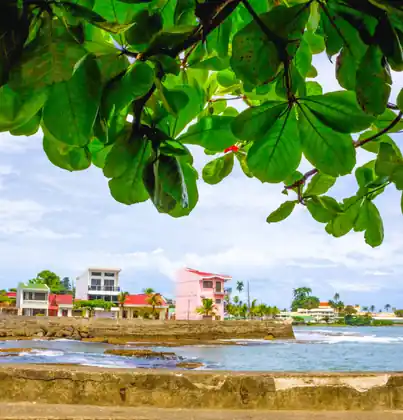
- Playa NegraNorth of the houses, dark sand takes the surf. Walk or bike the coast road. It is not the reef swim, and not the dark beach by Puerto Viejo.
- Snorkeling the reefOn a flat morning, fin out from the park sand. No boat is needed. If it is rough, skip it; never stand on coral, even where it looks shallow.
- Howler monkeysAt first light on the park path you will hear them. Look up. Do not feed them, and zip the pack; by midday they often go quiet in the canopy.
- Puerto ViejoA short ride south is the busier town: a meal and a louder night. Sleep here if you want the quieter street. It is separate from the park walk.
- ManzanilloPast that town, the road ends at the refuge. From here, give it a half day of its own. Do not tack it onto the end of the beach path.
- Kelly CreekThe creek is the village gate. You cross, then the path starts. After rain the water is higher; come in the morning, while the sand is cool.
- Cahuita pointThe reef sits closest at the far point, and getting there is a real walk. Bring water and turn back with some left. Plan which gate you will use.
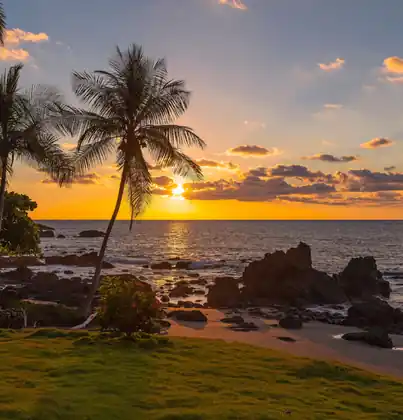
- Sunset in CahuitaThe sun sets behind the houses, not into the sea. Evening belongs to the village beach and the street. Walk the park path while it is still light.
For breaks and seasons, see best surf spots in Costa Rica.
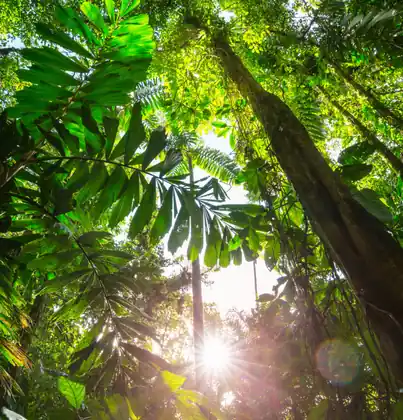
The landscape is a coral reef, a coastal trail, and wet forest behind the sand. You are likely to see howler monkeys, white-faced capuchins, sloths and reef fish. The plants around them are coconut, beach almond, and the forest the park keeps on the inland side of the path.
Around Cahuita, look for howlers in the first hour of light. Later they are higher, and the water over the reef is less clear.
Cahuita National Park protects the reef and the coastal forest. The village shares the gates with the park, at Kelly Creek and at Puerto Vargas.
In Cahuita, stay on the trail and do not stand on the coral. The reef is the swim, not a place to walk.
The climate is tropical wet. It is hot and humid, about 24–31°C. Rain can fall in any month, heaviest from November to January, with more settled spells in September, October, February, and March. Cahuita sits at sea level.
A dry morning can still rain by afternoon. Pack for both on the same day. The countrywide calendar is in the best time to visit Costa Rica.
Most people leave Juan Santamaría in Alajuela, take Highway 32 through Braulio Carrillo National Park, and reach Limón. The coast road then turns south through Cahuita toward Puerto Viejo.
The road across the mountains is slower than it looks. Do not start it late. Buses, shuttles, and rental cars are compared in getting around Costa Rica.