- Book online through SICORE (serviciosenlinea.sinac.go.cr) before you drive. The busiest parks sell tickets online only, as of 5 Oct 2026.
- The park closes on Tuesdays, as of 5 Oct 2026.
- The gate caps how many people enter each day. Come early, as of 5 Oct 2026.
- A foreign adult pays US$18.08. IVA is included, as of 5 Oct 2026.
Manuel Antonio National Park
Costa Rica
Manuel Antonio National Park lies on the Pacific coast about 7 km from Quepos, where rainforest and mangrove run down to the sand. Signed trails lead to Playa Manuel Antonio, good for a swim and some snorkeling off its rocky ends, to Espadilla Sur and around Punta Catedral's five lookouts. Look for squirrel monkeys, white-faced capuchins and sloths, easiest to spot early in the morning. Buy tickets online before you go, and leave the car where you stay: the park has no parking. It closes on Tuesdays.
Check before you go
Facts
Tickets: SICORE, online only. Book before you drive.
Fee: US$18.08 for a foreign adult. IVA included, as of Oct 2026.
Hours: Wed–Mon 7:00–15:00. Closed Tuesdays.
Gate: The gate caps how many people enter each day.
Contact
Phone: +506 2777-5185
Email: reservaciones.pnma@sinac.go.cr
Official page: SINAC park page
Tickets: online through SICORE, serviciosenlinea.sinac.go.cr
Checked with SINAC, as of 8 Oct 2026.
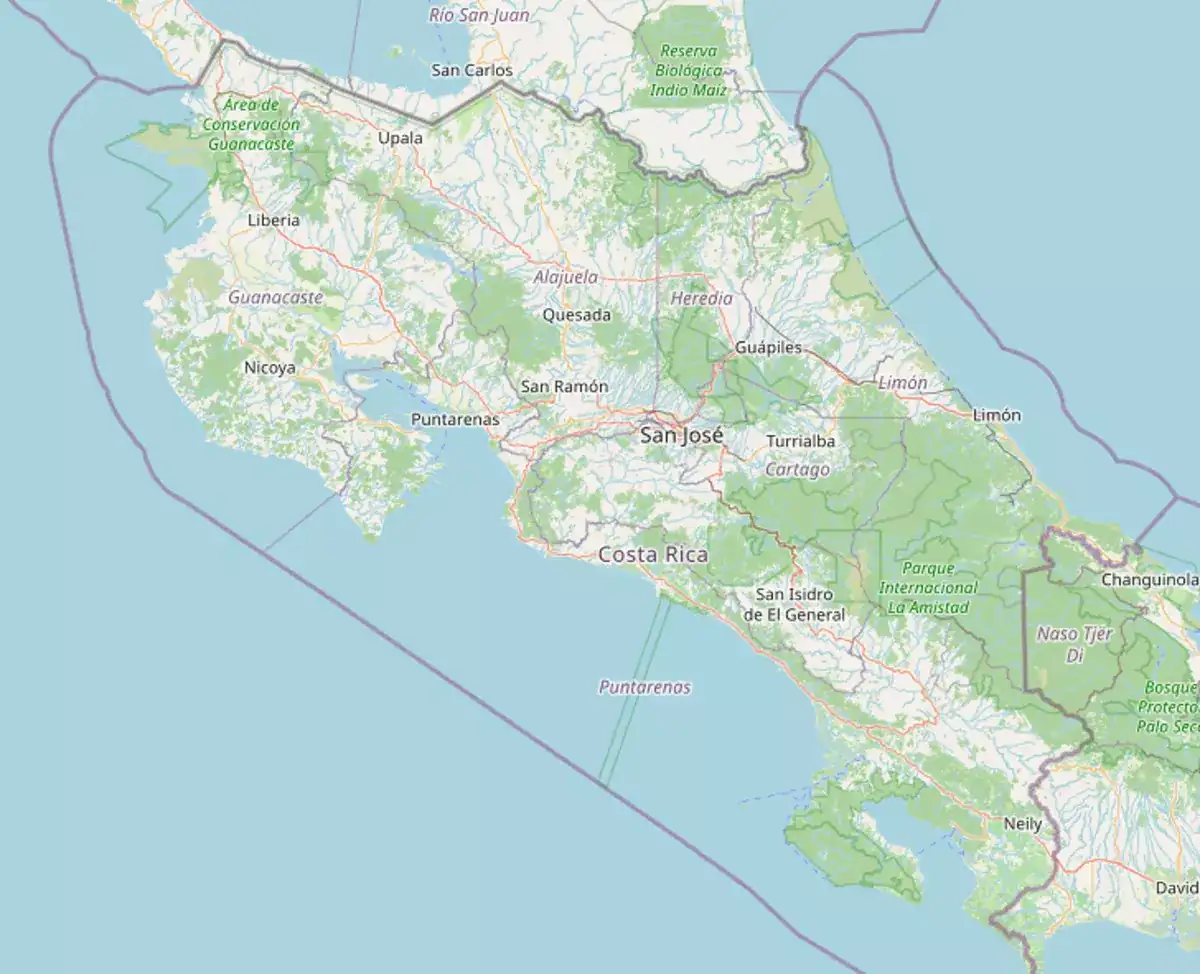
Map
- Punta Catedral: Punta Catedral was once an island, and a sandy strip called a tómbolo now ties it to the shore. The forested loop takes about an hour and passes five viewpoints over offshore islands, some of them home to seabirds. The path can be muddy. It is a walk, not a swim. If a section is roped off, do not step around it.
- Playa Manuel Antonio: Inside the gate, this cove is the calmer swim, and it is still not a pool. A mask works best along its rocky sides, where SINAC notes fish and some coral. At low tide, near Punta Catedral, look for La Trampa, a circle of stones that local history says Indigenous people used to trap turtles and fish. Monkeys work the sand, so do not leave food out. Shade thins by noon.
- Sloth trails: Two- and three-toed sloths both live in the park, usually high and still in the canopy. Look up, and walk slower than the group ahead of you. Morning is when you actually see a sloth. They will not perform for a late crowd. SINAC lists drinking fountains on the main trails and the beach trails, so bring a reusable bottle.
- Monkey beaches: Capuchins and squirrel monkeys work these beaches. Do not feed them: SINAC warns that some foods can seriously harm their health. Do not set a bag down, and keep an eye on your belongings the whole time. Come early, before they start begging.
- Punta Catedral hike: The loop climbs, then returns on the far side. Roots are slick after rain, and it is steeper than it looks. SINAC advises closed shoes rather than sandals on the forest trails and asks you not to climb on railings or signs. Keep your voice down and you will see more. Do it before the path is a queue.
- Snorkeling coves: Rocky edges inside the park take a mask when the sea is calm. Morning is clearer. If the outside beach is dumping, these coves are stirred up too. Espadilla Sur is wide at low tide and less crowded than Playa Manuel Antonio, but SINAC notes its waves can be fairly strong at times of year. Leave shells and snails where they are: collecting them is not allowed.
Manuel Antonio National Park is home to about 352 bird species and 109 mammal species, according to SINAC, and the squirrel monkey is its emblem. You are likely to see two- and three-toed sloths, white-faced capuchins, iguanas and toucans, and you may also hear howler monkeys or meet raccoons and coatis. Animals are easiest to find in the park trees in the first hour after the gate opens. By late morning the trails are crowded and the animals are higher.
Manuel Antonio National Park has one main entrance, east of Quepos, and a network of signed trails past the gate. Trails run beside Playa Manuel Antonio and Espadilla Sur, along an 18-hectare mangrove, and up to La Catarata, the Punta Serrucho lookout and Punta Catedral, about an hour if the path is not too muddy. Playa Manuel Antonio, inside the gate, is the calmer swim. Playa Espadilla is the public beach outside the gate, and it can pull. The gate caps how many people enter each day.
Manuel Antonio National Park has a hot, tropical wet climate, about 25–32°C. December to April is the shorter dry season, and heavy rain falls from May to November. The park rises from sea level to about 160 m at its highest lookouts, so the trails stay warm and humid. In the greener months the morning is still usable, and the rain tends to wait until afternoon. La Catarata, a small waterfall, runs only in the rainy season, so ask at the entrance.
Manuel Antonio National Park is about 157 km south of San José, and SINAC puts the main entrance 7 km east of Quepos. Most trips start at Juan Santamaría (SJO) in Alajuela and continue by car; Quepos and Manuel Antonio are about three hours from SJO. From the Central Valley, add time for the mountain roads, and arrive in daylight if you do not know the road. The park has no lot of its own, so plan a taxi, bus or walk from where you stay.
Yes. Manuel Antonio National Park sells tickets only online, through SICORE (serviciosenlinea.sinac.go.cr), so book before you drive; you cannot buy one at the gate. The gate still caps the day, so come early even with a ticket. If you want a guide, the certified guides' association runs the official guide concession inside the park, and SINAC lists its contact details on the park's page.
A foreign adult pays US$18.08 at Manuel Antonio National Park. IVA is included, as of Oct 2026. SINAC sets a lower fee for non-resident children aged 2 to 12, and children under 2 enter free. Fees differ for residents, who pay in colones, and Costa Rican seniors with a Ciudadano de Oro card enter free. Fees change, so confirm the amount in SICORE when you book. Lockers, a guide and food inside the park are paid separately.
Manuel Antonio National Park is open Wednesday to Monday, 7:00 to 15:00, and closed on Tuesdays. Come at opening: a late arrival can mean you never get in, and the animals are easier to find early. The guide office, the lockers and the food concession inside keep their own hours, and the guided afternoon and night tours run only in certain seasons, so ask the guides when you book. Hours can change; check SINAC's page before you go.
No. A guide is not required in Manuel Antonio National Park: the trails are signed, and you can walk them on your own. A certified guide can point out animals that are easy to miss. Manuel Antonio Official Tour Guides, the association of certified guides from the canton of Quepos, runs SINAC's guided-tour concession from an office inside the park, and in some seasons it also offers afternoon and night tours. With or without a guide, stay on the marked path.
Manuel Antonio National Park follows SINAC's public-use rules, and the main ones are simple. Do not feed or touch the animals, and do not take food onto the beaches or trails; eat only in the concession's eating area. Do not touch plants or collect shells. The manzanillo tree on the beach is toxic: do not sit in its shade, touch it or eat its fruit. Soap and shampoo are not allowed in the showers. Stay on the trail, and if a section is roped off, do not step around it.
Parks near
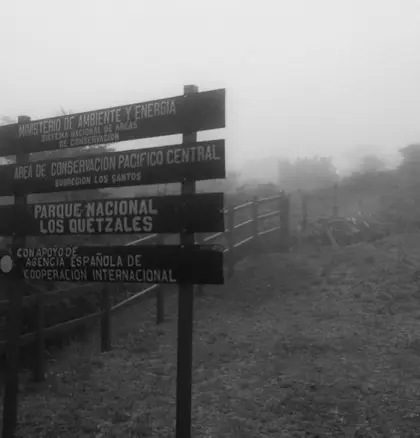
Los Quetzales
Cold oak forest at km 76, for quetzals. Pair it with a night in San Gerardo de Dota.
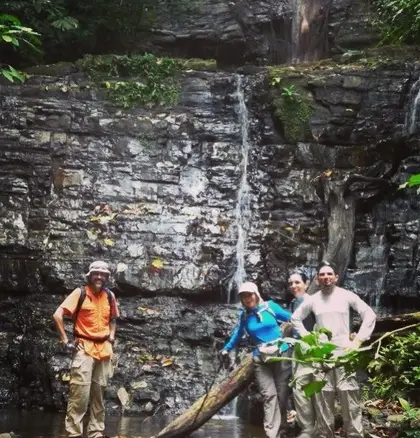
La Cangreja
A quiet river park south of Puriscal. Twelve kilometers there and back, with swimming holes.
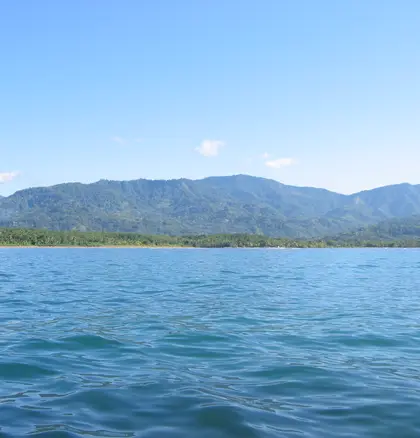
Marino Ballena
The whale-tail sandbar at Uvita. You walk it only at low tide, and pay at the ranger hut.
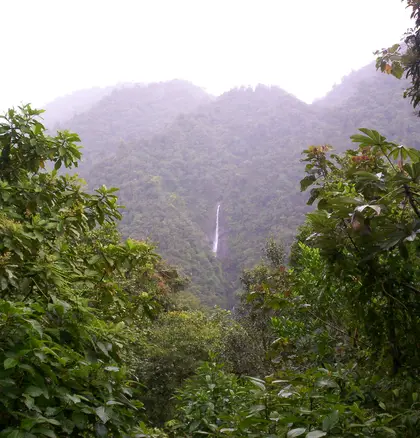
Tapantí
River and rainforest at the end of the Orosi road, a day trip from Cartago.
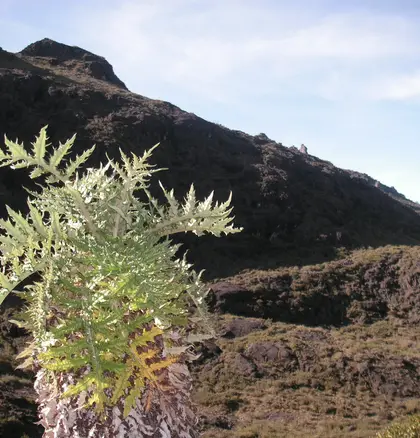
Chirripó
The highest peak in the country. A booked permit, a 3 a.m. start, and a night at the base lodge.
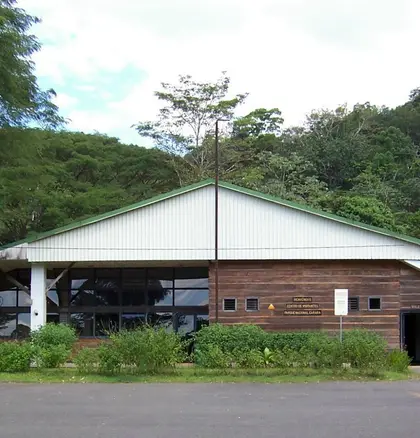
Carara
Macaws and a flat accessible trail, 20 minutes before Jacó. Book the ticket online.