- You arrive by boat. There is no road, as of 5 Oct 2026.
- Stay the night if the turtle beach is the reason, as of 5 Oct 2026.
- A foreign adult pays US$16.95. IVA is included, as of 5 Oct 2026.
Tortuguero National Park
Costa Rica
Tortuguero National Park, on the Caribbean in northeastern Costa Rica, protects the most important green turtle nesting beach in the Western Hemisphere. There is no road: boats run the rivers and canals from La Pavona, past Cariari, and you stay the night in villages such as Barra del Tortuguero, where people get around by bike. Green turtles nest from June to October. On a night visit, trained local trackers find a turtle while you wait at a set point near the beach. By day, explore the canals by canoe or boat, or walk the El Jaguar trail beside the sea.
Check before you go
Facts
Arrival: By boat. There is no road.
Fee: A foreign adult pays US$16.95. IVA is included, as of Oct 2026.
Night: Stay if you came for the turtle beach.
Contact
Phone (Cuatro Esquinas office): +506 2709-8086
WhatsApp: +506 8309-3116
Email: pnt.turismosostenible@sinac.go.cr
Official page: SINAC park page
Tickets: online through SICORE, serviciosenlinea.sinac.go.cr
Checked with SINAC, as of 8 Oct 2026.
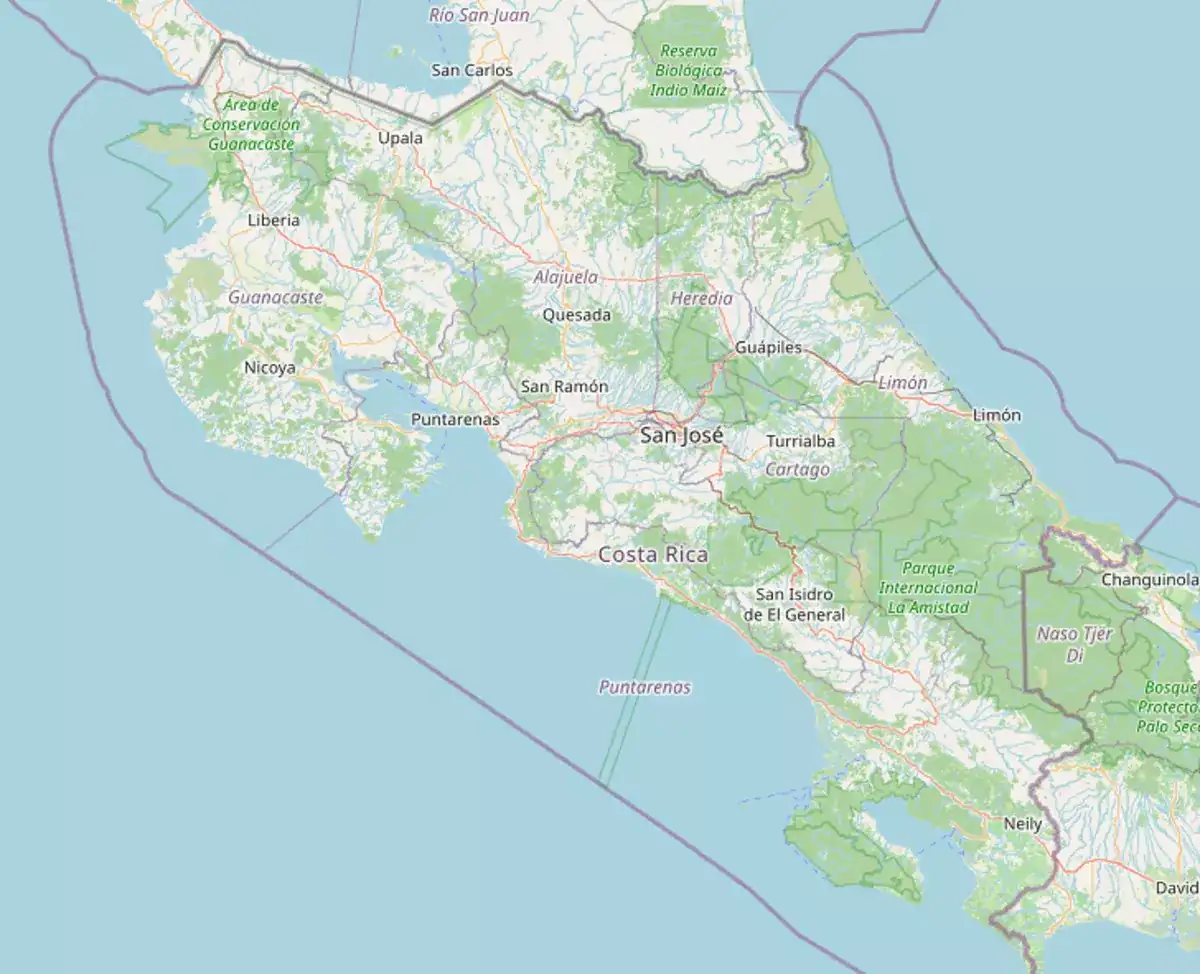
Map
- The canals: The boat is the visit, not a transfer you skip. SINAC's water trails start on the Río Tortuguero, 4.3 km and the gateway to the canals. Caño Harold adds 3.5 km of wide, calm water where caimans and river turtles are common, and Caño Chiquero–Mora, 2.3 km, is kept for canoes, kayaks and electric motors. Watch for jacanas and for anhingas drying their wings on branches.
- The turtle beach: The night is why people stay. In season, trained trackers from a local organization are the only ones who look for turtles leaving the sea, so the crowd does not scare them off. You stay at a waiting area and hear about the turtles until one is laying and can be watched. By day in nesting season, the El Jaguar trail shows tracks and nests. Other hours this is a beach, not a tour.
Tortuguero National Park protects beaches where four sea turtles nest: green, leatherback, hawksbill and loggerhead. Behind the sand lie rivers, canals, yolillo palm swamps and lowland rainforest, habitat for the manatee and for one of Costa Rica's largest jaguar populations. SINAC counts 442 bird species, 138 mammals and 118 reptiles. From the boat and the trails you may see caimans, black river turtles, jacanas, spider and white-faced monkeys, and great green macaws, an endangered bird that nests and feeds here.
Tortuguero National Park has two sectors, and there is no road to either. Cuatro Esquinas is reached by boat from La Pavona. On land, the El Jaguar trail runs 2.5 km beside the beach, clearly marked, with numbered beach entries every 100 m. Jalova, in the south, is reached by private boat from Caño Blanco. On the water, the Río Tortuguero leads into the park's canals. SINAC lists a dock, drinking water and toilets.
Green turtles nest at Tortuguero National Park from June to October, and SINAC asks you to confirm the season has opened, since nesting can shift. Other months the canals are still the visit. It is wet all year: about 6,000 mm of rain and 25–30°C on average. July and December are the wettest months, and March, April and October the least rainy. SINAC suggests rubber boots, light clothes, a hat, insect repellent and sunscreen.
You reach Tortuguero National Park by boat; there is no road. For the Cuatro Esquinas sector, the Costa Rica Tourism Board's route goes by land to Guápiles and Cariari, then to the La Pavona dock on the La Suerte river, where boats leave for Tortuguero. Buses and boat taxis link Cariari, La Pavona and the village, and private transfers cover the whole trip. For the Jalova sector, go through Siquirres to Caño Blanco, then take a private boat.
Yes. Park tickets for Tortuguero National Park are sold through SINAC's online reservation system, SICORE (serviciosenlinea.sinac.go.cr), which takes the main debit and credit cards. Boats, lodging, guides and food are private services in Barra del Tortuguero, outside the park, so book the boat and the night before you leave the road. If you come for the turtles, ask your lodging or guide how the night visit works that season.
A foreign adult pays US$16.95 at Tortuguero National Park. IVA is included, as of Oct 2026. SINAC sets a lower fee for non-resident children and separate fees for residents. The Cerro Tortuguero trail, near the village of San Francisco, has its own ticket; from its 119 m top you look over the country's largest wetland. Fees change, so confirm the amount in SICORE when you book. Boats, lodging and guides are paid separately.
Tortuguero National Park is open every day, with a break at midday, and the Cerro Tortuguero trail keeps a shorter schedule of its own; it can also close after natural events or emergencies. Check SINAC's page for the current times before you go. The canals are a morning. The turtle visit, when there is one, is at night, and from March to October the beach itself is closed to visitors after dark.
By day, SINAC lists no guide requirement at Tortuguero National Park: the El Jaguar trail is clearly marked, and you reach the canals by boat. A local guide still helps you find caimans, monkeys and birds in the canals. At night it is different: in nesting season, turtle watching is done through SINAC's tracker program with a local organization. Guides, boats and lodging are offered privately in Barra del Tortuguero.
Tortuguero National Park follows SINAC's public-use rules. To protect nesting turtles, the beach is closed to visitors from 18:00 to 6:00 between 1 March and 31 October. Stay on the trails, follow the rangers' instructions, and do not leave trash; pick up any you find. Do not feed or handle animals. Fishing, pets, fires, sound systems and alcohol are not allowed. SINAC advises against swimming in the sea or the lagoons: currents are dangerous, and boats and animals pass through.
Parks near
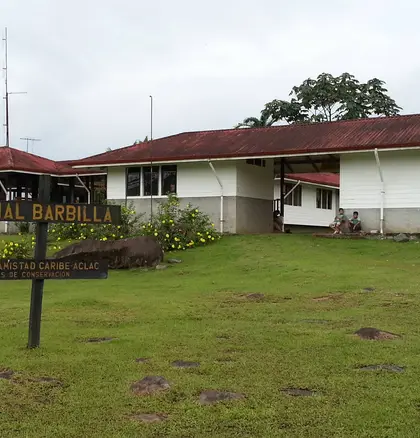
Barbilla
Rainforest south of Siquirres, with a guided river hike. Few people, gravel road in.
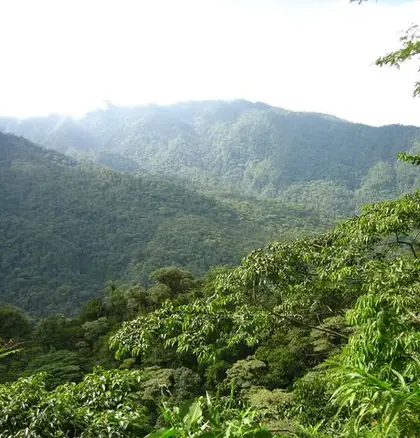
Braulio Carrillo
Cloud and rainforest on the road to the Caribbean, and a cold crater lagoon above Heredia.
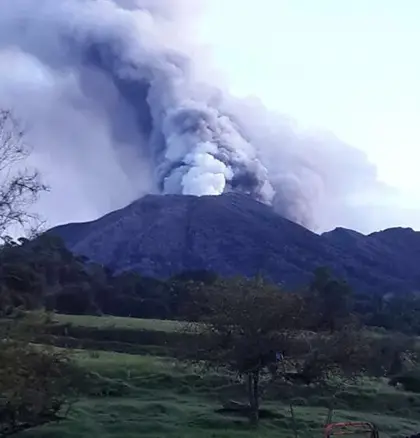
Turrialba Volcano
An active volcano east of Cartago. Book ahead and check the alert level before you drive.
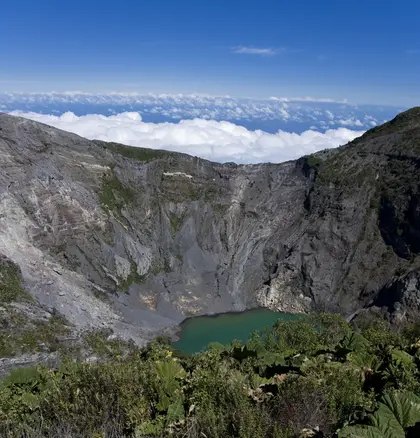
Irazú Volcano
The highest volcano, a drive above Cartago. Go early: the craters cloud over by noon.
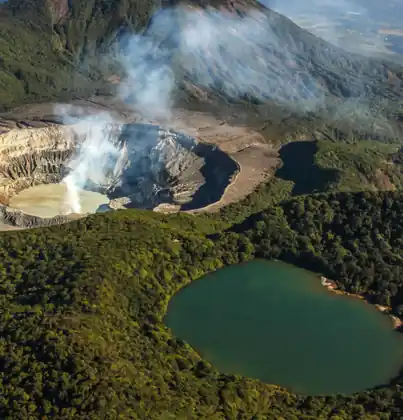
Poás Volcano
A steaming acid lake above Alajuela. Book a morning slot and look from the rail.
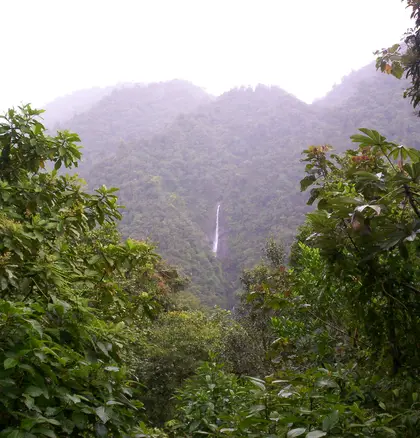
Tapantí
River and rainforest at the end of the Orosi road, a day trip from Cartago.