- Playa Blanca, the town entrance, runs on donations, as of 5 Oct 2026.
- The reef is a walk from Cahuita, as of 5 Oct 2026.
Cahuita National Park
Costa Rica
Cahuita National Park, on the Caribbean coast south of Limón, protects the best-preserved coral reef on that coast, with white-sand beaches and a coastal trail. The park is run together with the town: community rangers and lifeguards share the work, and local guides are trained by the INA and accredited by the ICT. The Playa Blanca entrance is in Cahuita itself and runs on donations; Puerto Vargas, with parking, is about 5 km farther south. Look for monkeys, sloths and coatis on the trail, and brain coral and angelfish on the reef. Snorkel only in the marked zones.
Check before you go
Facts
Town gate: Playa Blanca runs on donations.
Reef: You can walk to it from town.
Fee: Fees differ for foreigners and for residents. SINAC posts the figure, and it usually includes IVA, as of Oct 2026.
Contact
Phone: +506 2755-0302
Phone: +506 2755-0461
Email: aclac.pncahuita@sinac.go.cr
Official page: SINAC park page
Checked with SINAC, as of 8 Oct 2026.
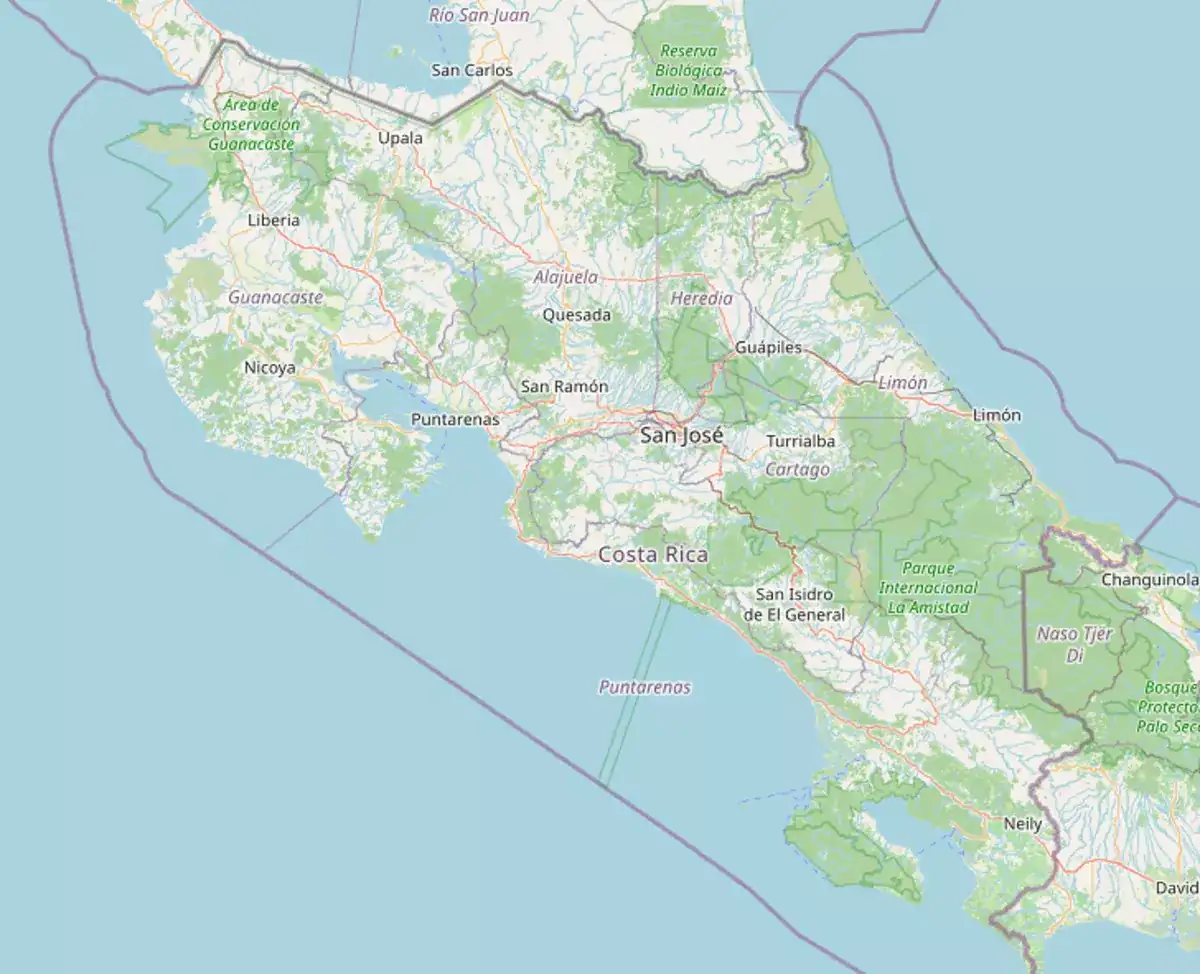
Map
- The reef: Cahuita's coral reef is considered the most developed on this coast, for its structure and its diversity. In the zones marked for snorkeling you can see brain coral, elkhorn coral, sea fans, French and queen angelfish, sea cucumbers, lobsters and turtles. Never stand on the coral, and use biodegradable sunscreen. SINAC recommends going with a local guide.
- Playa Blanca: Playa Blanca is the entrance right next to Cahuita town. Here you don't pay a set fee: you leave a voluntary contribution in cash. Past the gate, the white-sand beaches have safe zones for swimming, community lifeguards work in the park, and trails follow the coast through the forest. Bring cash, comfortable walking clothes and insect repellent.
Cahuita National Park protects very wet, often flooded tropical forest right behind its beaches. On the coastal trails, look for howler and white-faced monkeys, sloths, coatis, raccoons, iguanas, toucans, trogons, night herons, basilisks and the common black hawk. The yellow eyelash viper lives here too, so watch where you put your hands. Offshore is the reef, with its corals, fish and turtles.
Cahuita National Park has two entrances. Playa Blanca, beside Cahuita town, runs on voluntary cash contributions. Puerto Vargas, about 5 km south of town, charges the SINAC fee and is where the park's parking is. Inside you'll find restrooms, showers and changing rooms, drinking water, an information service, picnic areas, trained local guides and community lifeguards.
Cahuita National Park is open all year, and this coast has no real dry season. The national weather service, IMN, says the shore gets two drier spells, from February to March and from September to October, while December is usually the wettest month. Rain here is most likely at night and in the morning, so pack a rain layer whatever the month, along with sunscreen and repellent.
From San José, take Route 32 through the Zurquí tunnel toward Limón. Just before you enter the city, at a gas station, turn right toward Cahuita. You reach Playa Blanca right in town; for Puerto Vargas, keep going south for about 5 km. Give the town some time as well: SINAC points to its Jamaican-style houses on stilts, rice and beans cooked in coconut milk, rondón, patí and calypso music.
No advance booking appears in SINAC's information for Cahuita National Park. For Playa Blanca, bring cash for the voluntary contribution; at Puerto Vargas, SINAC says the fee can be paid by credit card. If you want a guide for the trail or the reef, arrange it with one of the community's guides or tour operators before you set out.
At the Playa Blanca entrance of Cahuita National Park, you pay what you choose: a voluntary cash contribution that goes to the Cahuita community and the park. At Puerto Vargas you pay the SINAC fee, and credit cards are accepted. Fees differ for foreigners and for residents. SINAC posts the figure, and it usually includes IVA, as of Oct 2026.
SINAC and the ICT list different opening times for the two entrances of Cahuita National Park, so check SINAC's page for the current hours before you go. If you come by car, Puerto Vargas has the park's parking; from town, you walk in at Playa Blanca. Leave time for the coastal trail, a swim in the safe zones and, if you have a guide, the reef.
No, a guide is not required in Cahuita National Park, and you can walk the coastal trail on your own. Still, SINAC recommends hiring a local guide to get more out of the visit, on the trail and on the reef. The park works with guides and tour operators from the Cahuita community, with INA training and ICT accreditation.
At Cahuita National Park, stay on the trails, snorkel only where it is marked as allowed, and keep your feet off the coral. Swim only in the safe zones. Pets, alcoholic drinks and weapons of any kind are not allowed. Use biodegradable sunscreen and repellent, and keep an eye on your belongings.
Parks near
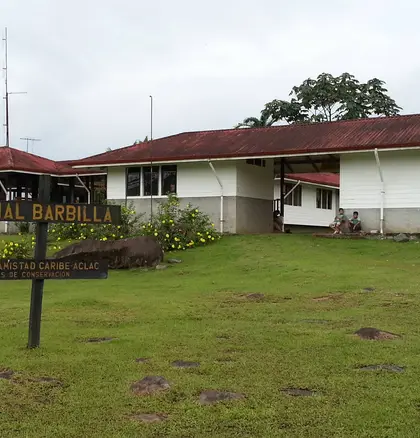
Barbilla
Rainforest south of Siquirres, with a guided river hike. Few people, gravel road in.
La Amistad
The largest park in the country, shared with Panama. Remote trails from the Coto Brus side.
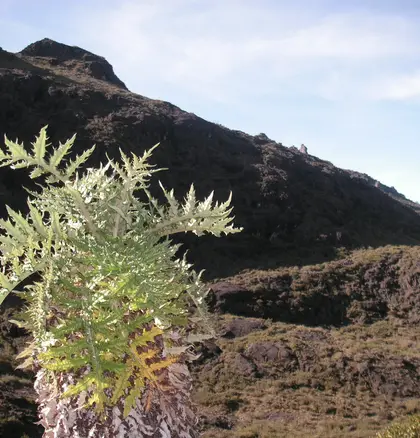
Chirripó
The highest peak in the country. A booked permit, a 3 a.m. start, and a night at the base lodge.
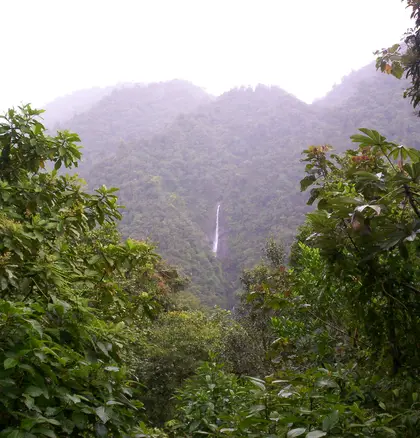
Tapantí
River and rainforest at the end of the Orosi road, a day trip from Cartago.
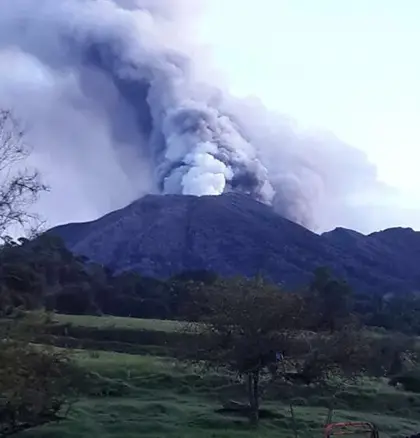
Turrialba Volcano
An active volcano east of Cartago. Book ahead and check the alert level before you drive.
Los Quetzales
Cold oak forest at km 76, for quetzals. Pair it with a night in San Gerardo de Dota.