- The cone is the view. The summit stays closed, as of 5 Oct 2026.
- The 1968 lava trail is open rock and little shade, as of 5 Oct 2026.
- A foreign adult pays US$16.95. IVA is included, as of 5 Oct 2026.
Arenal Volcano National Park
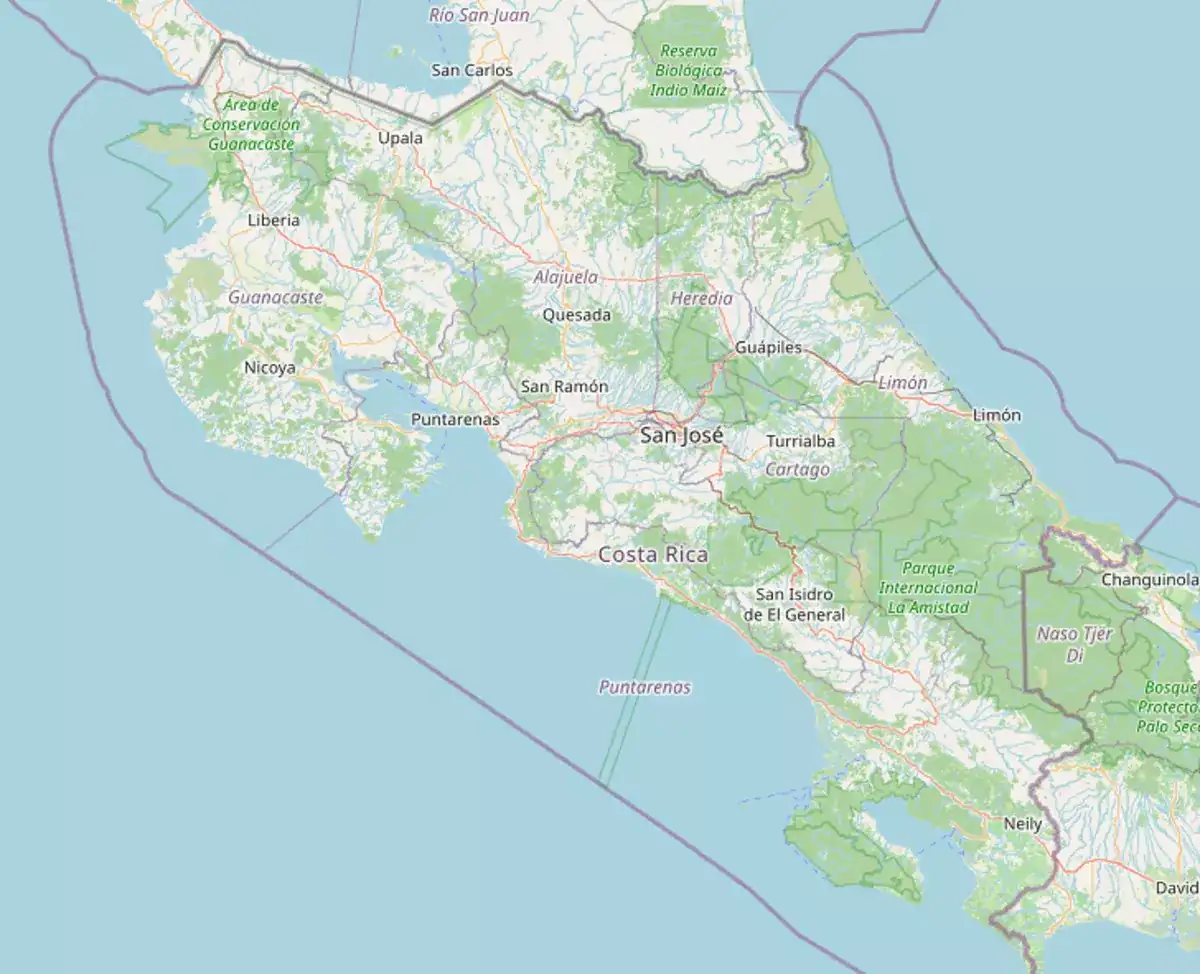
Costa Rica
Arenal Volcano National Park, west of La Fortuna, protects the forest around Arenal's cone, between the Tilarán range and the San Carlos plains; the summit is closed. Its rainforest keeps water flowing into the Arenal reservoir, and your entry fee goes to the national parks fund. From La Fortuna, take Route 142 toward Tilarán for 17 km, then turn 2 km south at the tourist police post. Short, flat trails include Heliconias (610 m), with a crater view, Coladas (1.7 km), facing the cone and Lake Arenal, and El Ceibo (2.3 km), which reaches a ceiba over 400 years old.
Check before you go
Facts
Summit: Closed. The cone is the view.
Fee: A foreign adult pays US$16.95. IVA is included, as of Oct 2026.
Trail: The 1968 lava trail is open rock.
Contact
Phone: +506 2200-4192
Email: acahn.pnvolcanarenal@sinac.go.cr
Official page: SINAC park page
Checked with SINAC, as of 8 Oct 2026.
Map
- The cone: Arenal rises to 1,633 m in an almost perfect cone, and it is a volcano you admire from below. Climbing it is strictly prohibited, and the national emergency commission keeps the crater area off-limits. Once thought extinct, it woke on 29 July 1968, and its lava flows have eased since 2010. SINAC's lookout, 1.5 km from the entrance booth, faces the cone.
- The 1968 lava trail: The lava walk is the Las Coladas trail, flat and sandy, about 1.7 km one way across old flows below the cone. It takes its name from the big 1992 flow, and from the main lookout you can pick out the lava of both 1968 and 1992. Rangers allow about 20 minutes at the lava viewpoint. Bring water, sunscreen and comfortable shoes, as there is little shade.
Arenal Volcano National Park runs from young lava, where orchids and ferns are still colonizing bare rock, to primary forest. SINAC lists coatis, howler, spider and white-faced monkeys, peccaries and pacas, plus parrots, oropendolas, brown jays, hummingbirds and the three-wattled bellbird. On Los Miradores trail in the Península sector, the ICT points to toucans, guans, anteaters and monkeys. Keep your distance, and never feed the coatis.
Arenal Volcano National Park has two public-use sectors, and MINAE says they are the only official ways in: Coladas, also called the Volcán sector, and Península, by the lake. You can drive to both. Coladas has the lava, Heliconias and El Ceibo trails and the lookout facing the cone. Península has the Los Miradores and El Tororoi trails, an observation tower and universal access. Both have restrooms, drinking water and parking.
Arenal Volcano National Park is open all year, but in the Northern Zone it rains in every month. The national weather service, IMN, says rain eases somewhat from February to April, while the wet season runs from May to December or January, and the region averages more than 3,200 mm a year. Clouds tend to cover the cone as the day goes on, so come early and pack a raincoat whatever the month.
From San José, the ICT route follows the Inter-American Highway west to San Ramón, then heads north through Los Ángeles, La Tigra and Chachagua to La Fortuna, where Route 142 takes you on to the park. Without a car, the public bus from the La Fortuna terminal stops on the main road, and you walk the last 2 km to the entrance and back. Confirm the bus times in town, and leave nothing valuable in a parked car.
No. Arenal Volcano National Park is not on SINAC's list of parks sold through its online system, SICORE, so you buy your ticket at the park's own booth. The ICT's park sheet says the booth takes credit or debit cards only, not cash, and that you must show your passport or ID to enter. If you want a guide, arrange one in La Fortuna before you set out.
A foreign adult pays US$16.95 at Arenal Volcano National Park. IVA is included, as of Oct 2026. SINAC sets a lower fee for non-resident children, and Costa Rican nationals and residents pay in colones. Bring a card, since the booth does not take cash. SINAC adds that the entire fee is pooled to fund every protected area in the country, so your ticket reaches well beyond Arenal.
Official sources give different hours for Arenal Volcano National Park: SINAC's page and the ICT list one schedule, and a 2025 MINAE notice gave a shorter one for its two sectors. Check SINAC's page before you go, and plan to arrive early. The lava walk has little shade, and later in the day the cone is more likely to be hidden by cloud.
No, Arenal Volcano National Park does not require a guide, and you can walk the trails in both sectors on your own. If you hire one, choose an accredited guide: MINAE warns that some unaccredited guides and companies sell hikes to the cone and to Cerro Chato, which are illegal, and anyone caught there is expelled from the park. The ICT keeps a list of tour guides on its website.
At Arenal Volcano National Park, climbing the cone is strictly prohibited, so stay on the marked trails. Pets, smoking, campfires, alcoholic drinks, weapons and sound equipment are not allowed. Don't feed the animals, and don't take plants, animals or rocks, lava stones included. Take your trash with you or use the bins, and respect the signs and the schedule.
Parks near
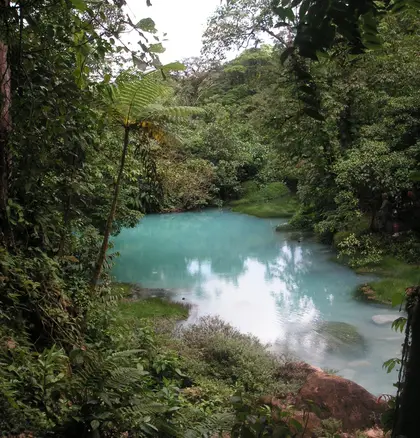
Tenorio Volcano
The blue river near Bijagua. A muddy 3 km trail to the waterfall and the place the color starts.

Juan Castro Blanco
The 'water park' above Ciudad Quesada: cloud forest and river sources. Call before you drive.
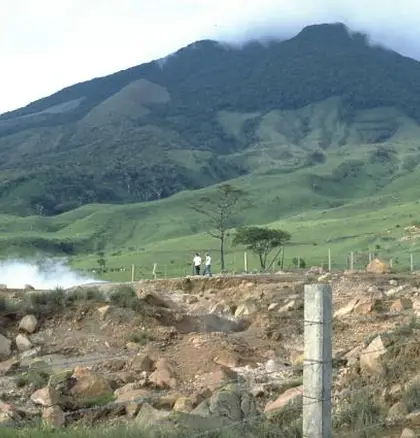
Miravalles
The newest volcano park, north of Bagaces. Not set up for visitors yet; the hot springs nearby are private.
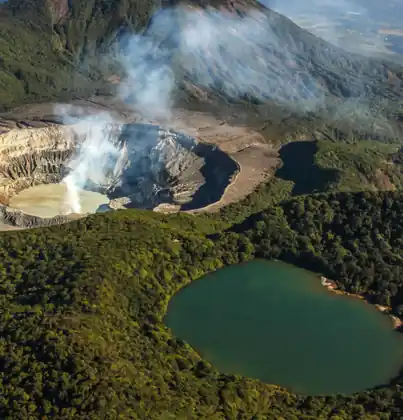
Poás Volcano
A steaming acid lake above Alajuela. Book a morning slot and look from the rail.
San Lucas Island
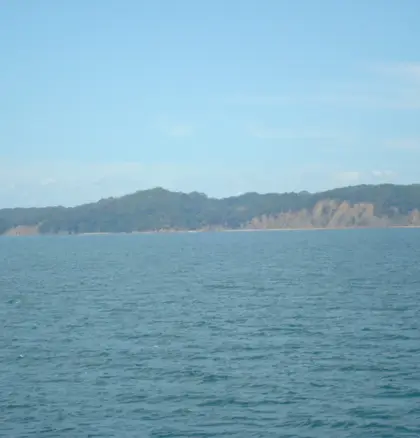
The old prison island off Puntarenas. A boat, a guided walk through the cells, and back.
Palo Verde
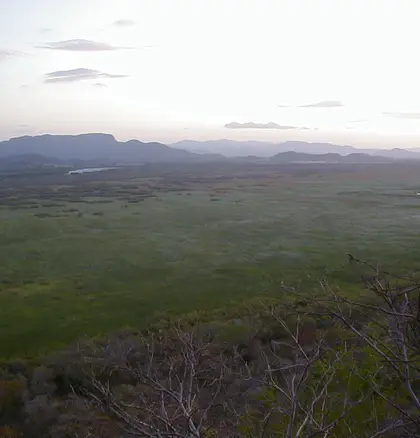
Wetlands on the Tempisque, full of birds from September to March. Gravel from Bagaces.