- Poás is an active volcano and the park can close at short notice. Check that slots are on sale for your date, and check again the day before, as of 23 Oct 2026.
- Book a morning slot before you drive, as of 5 Oct 2026.
- Helmets are required on the main lookout trail and on Sombrilla de Pobre, as of 23 Oct 2026.
- Up to 56 people can be at the crater lookout in each 20-minute turn, and the park takes up to 1,064 visitors a day, as of 23 Oct 2026.
- You look from the rail. The crater is not a walk down, as of 5 Oct 2026.
- A foreign adult pays US$16.95. IVA is included, as of 5 Oct 2026.
Poás Volcano National Park
Costa Rica
Poás Volcano National Park, in the mountains north of Alajuela, protects an active volcano whose main crater is about 1.3 km across, one of the largest in the world, with a hot acid lake that steams. At 2,708 m it averages 12 °C, with drizzle most of the year. Drive up from Alajuela via Fraijanes and Poasito, or from Heredia via Vara Blanca, with a morning slot booked ahead. A trail leads to the crater lookout, and Sombrilla de Pobre crosses cloud forest. A clear crater is never guaranteed, so bring a warm layer.
Check before you go
Facts
Tickets: Book a morning slot before you drive.
Fee: A foreign adult pays US$16.95. IVA is included, as of Oct 2026.
View: From the rail. Go early.
Contact
Phone (Central Conservation Area office): +506 2268-8091
Email: poas.info@sinac.go.cr
Official page: SINAC park page
Tickets: online through SICORE, serviciosenlinea.sinac.go.cr
Checked with SINAC, as of 13 Oct 2026.
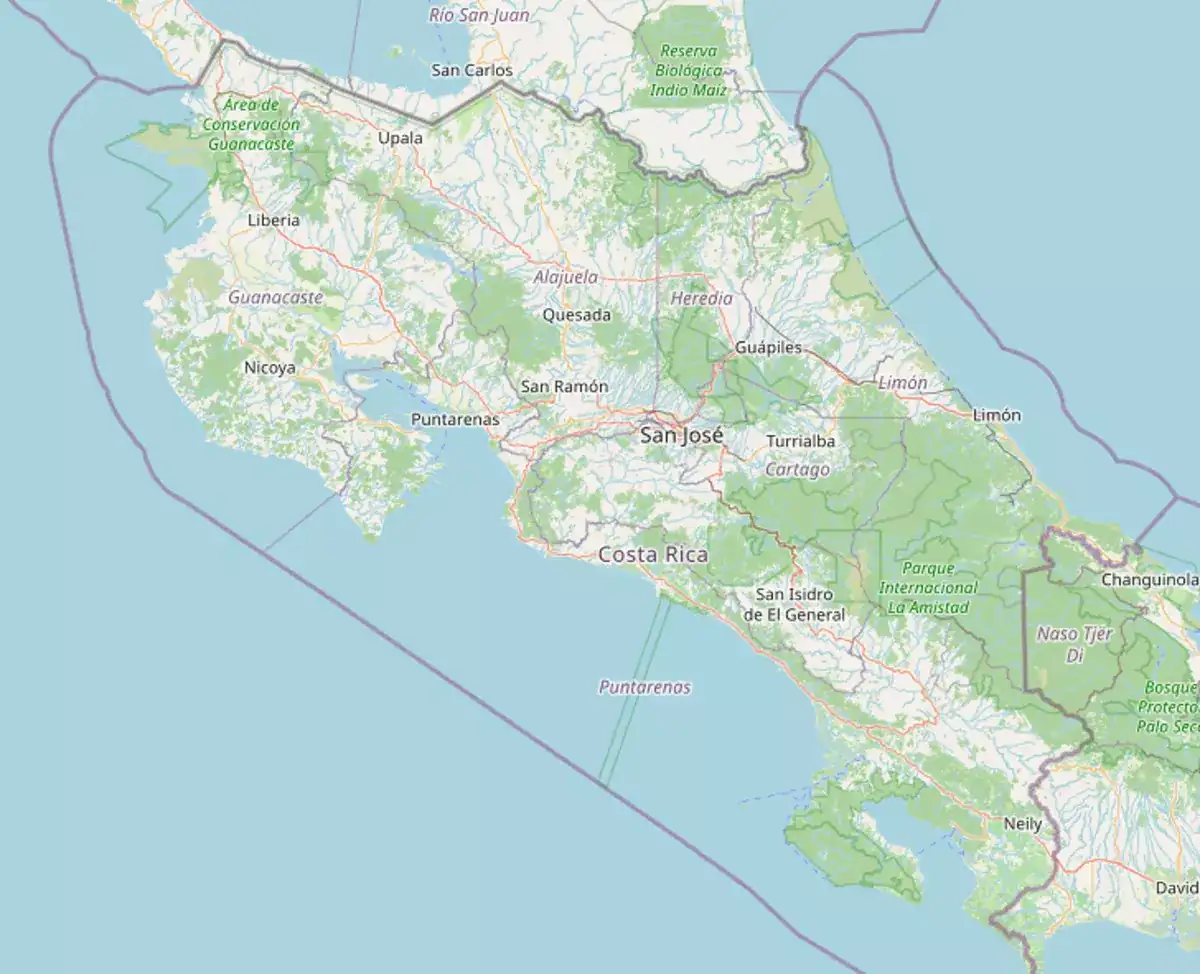
Map
- The crater: The main crater is round and about 1,320 m wide, with a rim of blocks, volcanic bombs, ash and lava some 7,540 years old. Its lake of hot, acid water runs between 20 and 50 °C, and fumaroles in the inner cone give off gas and steam. You see it from the lookout at the end of the main trail, behind the rail, wearing a helmet.
- The morning slot: Entry is only through SINAC's reservation system, and each ticket is for a set time. SINAC warns that the weather at the lookouts and on the trails keeps changing, so the main sights are not always clear. Book one of the first slots of the day and plan the visit around it. At the lookout, groups of up to 56 people get 20 minutes each.
Poás Volcano National Park shows you one of the largest craters on Earth, its acid lake and the cloud forest around it, with poor man's umbrella leaves and oaks. Birds include the fiery-throated hummingbird, the large-footed finch, the black-billed nightingale-thrush and the resplendent quetzal. Mammals are scarce; the most common are Deppe's squirrel and the nine-banded armadillo. Botos lagoon, an old crater with a cold lake, lies nearby.
You enter Poás Volcano National Park by road, through the entry booth at the top of the drive up past Poasito. Inside are guarded parking, restrooms, first aid, a gift shop and a cafeteria. The tap water is not drinkable, so bring your own. Since late August 2026, with the volcano more active, only two trails are open: the main one up to the crater rail, and Sombrilla de Pobre. Helmets are required on both.
Poás Volcano National Park is open all year, holidays included, so pick your day by the weather and your slot. The park gets about 3,500 mm of rain a year and a fine drizzle much of the time, and conditions at the lookout change often. Before you leave, look at OVSICORI's live crater camera. Bring a cap and sunscreen for sunny days, and a jacket and rain cape for cloudy ones.
Poás Volcano National Park lies in Alajuela province, above the city of Alajuela. From San José, take the highway to Alajuela, then Route 712 through Itiquís and Fraijanes to Poasito and follow the signs to the volcano; another road climbs through San Juan and Sabana Redonda. From Heredia, go up through Barva and Vara Blanca. SINAC suggests stops in the nearby communities, Poasito, Fraijanes, Vara Blanca and San Pedro de Poás, known for strawberries and dairy.
Yes. Poás Volcano National Park admits visitors only through SINAC's online reservation system, SICORE (serviciosenlinea.sinac.go.cr), so buy your ticket before you drive up. Since 28 August 2026 the park's daily capacity has been cut from 2,052 to 1,064 people while the volcano is more active, so there are fewer places than before. The cut has no end date yet.
A foreign adult pays US$16.95 at Poás Volcano National Park. IVA is included, as of Oct 2026. SINAC sets a lower fee for non-resident children aged 2 to 12, and children under 2 enter free. Costa Rican nationals and residents pay in colones, and those over 65 enter free. Parking is a separate charge, paid at the entry booth by debit or credit card. Fees change, so confirm the amount in SICORE when you book.
Poás Volcano National Park opens every day, and the last entry is two hours before closing. Check SINAC's page for the current times. Your ticket is for a set slot, and at the crater lookout each group gets a 20-minute turn, so plan around that. Clouds tend to fill the crater as the morning goes on, which is why the early slots are the ones to get. A late arrival can mean you see cloud, not the lake.
No. Poás Volcano National Park does not require a guide: you walk the open trails on your own and look at the crater from the lookout. Follow the park rangers' instructions at all times; with the volcano active, they run the safety measures on the trails and at the lookout. If you would like help spotting birds or learning about the volcano, the ICT's Visit Costa Rica site lists tour guides.
At Poás Volcano National Park, stay on the trails and in the public areas, keep behind the rail at the lookout, and wear your helmet where it is required. Pets and smoking are not allowed, and neither is entering drunk. Don't take rocks, plants or anything else from the park. There are no trash cans, so carry out all your waste. If the volcano's activity changes, do what the rangers say right away.
Parks near

Juan Castro Blanco
The 'water park' above Ciudad Quesada: cloud forest and river sources. Call before you drive.
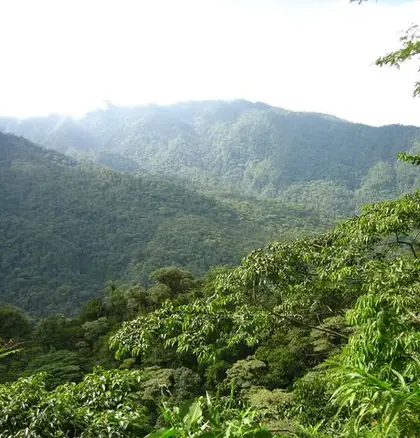
Braulio Carrillo
Cloud and rainforest on the road to the Caribbean, and a cold crater lagoon above Heredia.
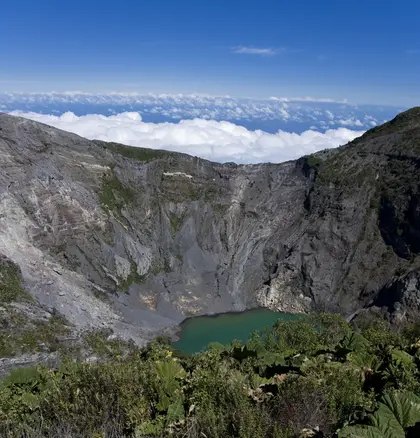
Irazú Volcano
The highest volcano, a drive above Cartago. Go early: the craters cloud over by noon.
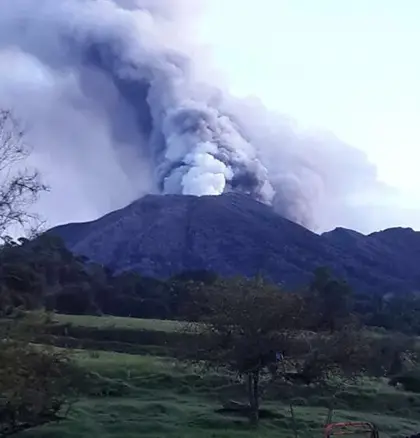
Turrialba Volcano
An active volcano east of Cartago. Book ahead and check the alert level before you drive.
La Cangreja
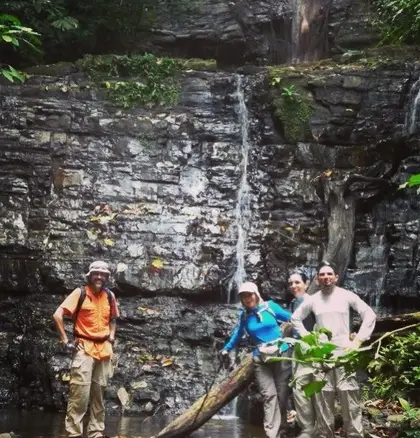
A quiet river park south of Puriscal. Twelve kilometers there and back, with swimming holes.
Arenal Volcano
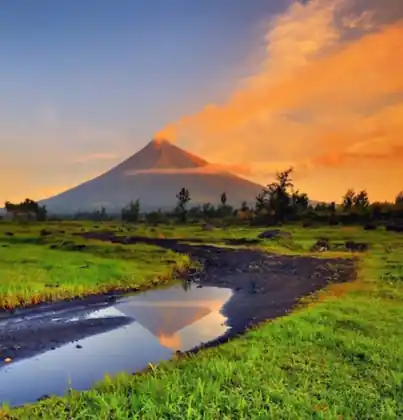
The cone is the view, not the climb. Lava-flow trails and lake views west of La Fortuna.