Puntarenas is the long Pacific province, not one town. It runs from the Gulf of Nicoya through Jacó and Quepos to the Osa and the Panama border. The south tip of Nicoya is part of it. The city with the same name is the ferry dock, and most people pass through it. The coast pages call this the Pacific Coast. Monteverde is a North Pacific page.
Where Puntarenas is
The capital is the city of Puntarenas, on the Gulf of Nicoya. The province runs from the gulf through Jacó and Quepos to the Osa and the Panama border. The south tip of Nicoya is included. Monteverde is included too.
On this site the coast is the Pacific Coast. Monteverde is filed in the North Pacific.
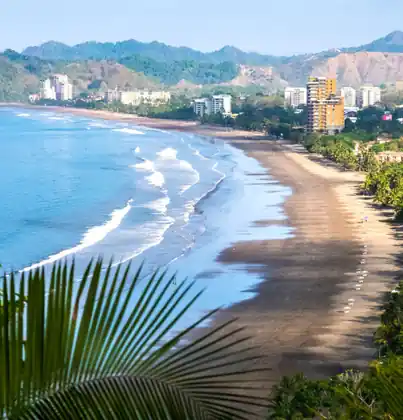
Jacó is the busiest beach town on the central Pacific.
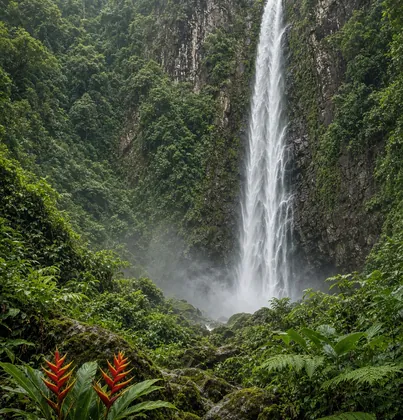
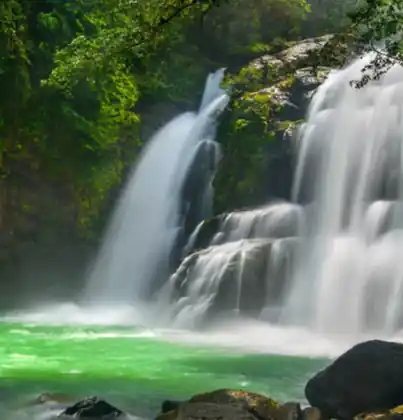
Bijagual is a hill town above Jacó, for the tall waterfall in the forest.
Quepos is the town beside Manuel Antonio, with a sportfishing fleet on the water.
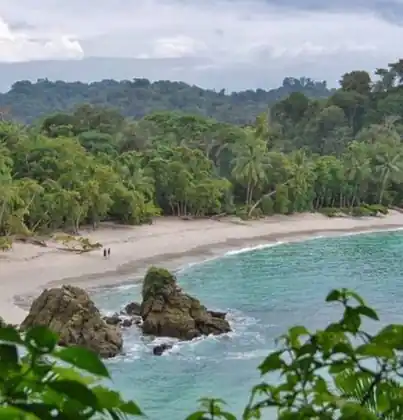
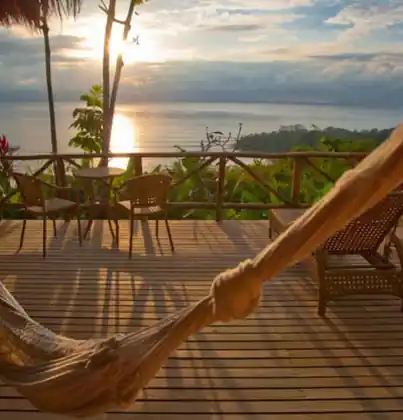
Manuel Antonio has hotels in the forest above the park, for the beaches and the animals.
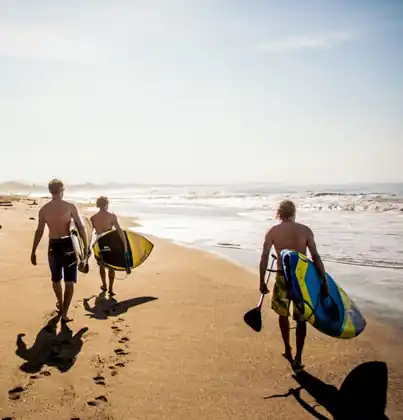
Santa Teresa is a surf town on a dirt road, easy for a first lesson.
Osa Peninsula is the largest lowland rainforest on this side, and the way into Corcovado.
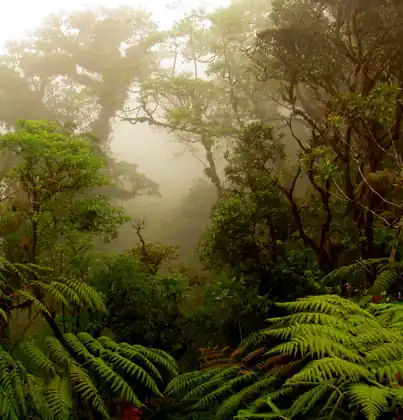
Monteverde is cloud forest you walk into: tall trees, vines, moss, and mist.
Tambor is a calm Nicoya bay for the ferry, a swim, and boats to Tortuga.
Montezuma is a small town at the end of a dirt road, with a beach and waterfalls.
Malpais is a quiet surf town at the end of the Santa Teresa road.
Cabuya is the quiet end of the road past Montezuma, beside Cabo Blanco.
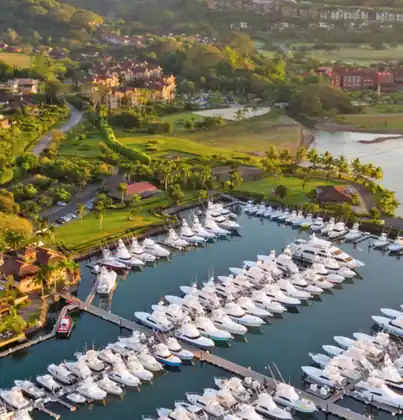
Los Sueños is a marina at Herradura, used more for sportfishing than for a town beach.
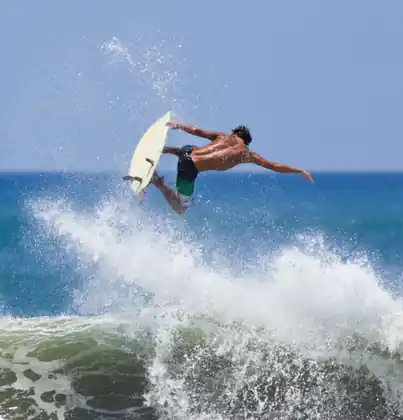
Playa Hermosa is a long beach of bigger waves, a short drive south of Jacó.
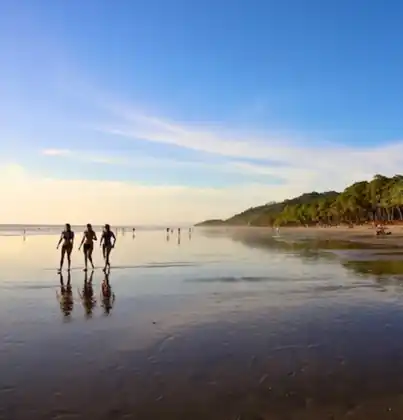
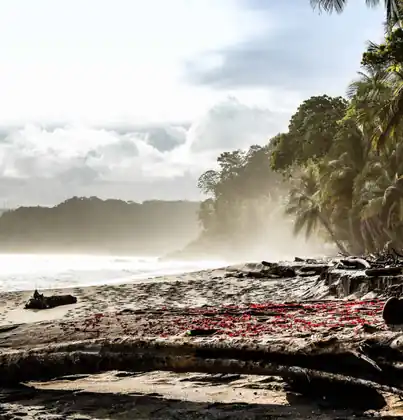
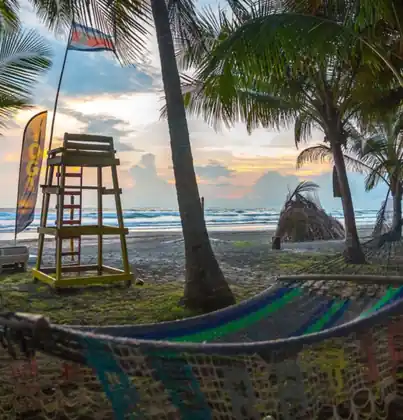
Esterillos is a long, quiet beach between Jacó and Quepos, lined with palms and almond trees.
Dominical is a small surf town that stayed small, between forest and beach.
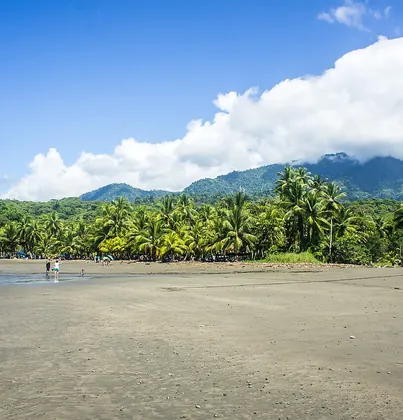
Uvita is the town in front of the whale-tail beach. You walk the sandbar only at low tide.
Ojochal is a hill village south of Uvita, above the sea cave at Playa Ventanas.
Drake Bay is a boat-in bay on the Osa, for Corcovado and Caño Island.
Puerto Jiménez is the gulf town on the Osa, and the road toward Corcovado.
Golfito is the gate to Pavones, and a sportfishing port on the Golfo Dulce.
Pavones is a long left point south of Golfito. The ride lasts minutes.
Getting around
The main airport for this coast is Juan Santamaría (SJO), in Alajuela. Route 27 leaves the capital for the coast. Route 34 is the coastal road past Jacó and Quepos toward Dominical. Jacó is about two hours from SJO. Quepos and Manuel Antonio are about three. Dominical is closer to four.
The car ferry leaves the city of Puntarenas for Paquera, about an hour on the water, then the road runs to Tambor, Montezuma, and Santa Teresa. The Osa is a long drive, or a flight to Puerto Jiménez or Golfito. Drake Bay has no road in. You arrive by boat or a small plane.
Parks and protected areas
These national parks are in Puntarenas: Manuel Antonio, Carara (part), Corcovado, Marino Ballena, Piedras Blancas, La Amistad (part), Cocos Island, and San Lucas Island.
Puntarenas province is almost the whole Pacific south of Guanacaste, plus the southern tip of Nicoya and Monteverde. Jacó, Quepos, Manuel Antonio, Dominical, Uvita, Pavones, and the Osa Peninsula are here. So are Santa Teresa and Monteverde.
The province is too long to treat as one destination. Jacó is a short hop from San José. The Osa is a different day, often a boat. Plan the piece you are actually visiting.
The Puntarenas ferry is a car ferry from the city of Puntarenas across the gulf to Paquera, about an hour on the water. From Paquera the road runs to Tambor, Montezuma, and Santa Teresa. Book the car ahead in the busy weeks. Walking on is easier than rolling on with a vehicle.
The drive around the gulf, back through the valley, is the long way, and it is the one people take when the ferry is full. The city itself is the dock. It is not the beach you came for.
Yes. Manuel Antonio is in Puntarenas province. The park, Quepos, and the coast from Jacó south through Uvita are Puntarenas. The gate caps how many people enter each day, so the useful visit is early. A late arrival can mean you never get in. Dominical and Uvita are the quieter continuation of the same coast, still in this province.
Do not add the Osa to the same afternoon. The park at Manuel Antonio is a morning. Corcovado is a different expedition.
No. The Osa, Drake Bay, Puerto Jiménez, Golfito, and Pavones are Puntarenas. Corcovado is a park inside the province, not a province of its own. A guide is required, and you enter by boat or the long track from Carate. Leave at first light.
Monteverde is the other surprise. The cloud-forest town is Puntarenas, even though the drive many people take comes out of Guanacaste. The town you sleep in is the useful fact. The line on a souvenir map is not.
The best time to visit Puntarenas province is December to April, the steadier Pacific dry season from Jacó down to the Osa. The south stays wetter than Guanacaste even then. May to November brings afternoon rain and a lower price, and the mornings are often clear enough for the park. Whales off Uvita show up in the green season, roughly July to October, and again around the turn of the year.
Do not use one forecast for the whole province. The weather guide splits the months. A Jacó week and an Osa week can feel like two climates.
The local attractions in Puntarenas province are Manuel Antonio, Corcovado, Monteverde, Marino Ballena, and Carara. The towns below cover the beaches.
- Manuel Antonio: The park caps how many people enter each day. Come early. Beaches and monkeys are past the gate, and a late arrival can mean you never get in.
- Corcovado: A guide is required on the Osa Peninsula. You enter by boat or the long track from Carate. Leave at first light.
- Monteverde: Cloud forest you walk into: mist, mud, and a layer in the bag. Be at the gate at opening. By midmorning there is a line.
- Marino Ballena: The whale-tail sandbar at Uvita exists only at low tide. Pay at the ranger hut. At high water there is no path out.
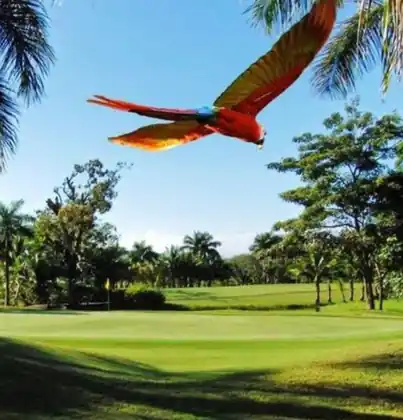
- Carara: Scarlet macaws in forest just north of Jacó. Be there when it opens. Later the trail is hot, and you stay on the path.