- Only boats authorized by the Cocos Marine Conservation Area (ACMC) can enter, so book with an authorized liveaboard operator, as of 23 Oct 2026.
- Scuba needs a diver certification, and dives go in guided groups of 2 to 13 people, as of 23 Oct 2026.
Cocos Island National Park
Costa Rica
Cocos Island National Park sits in the open Pacific more than 500 km from the mainland, the only island in this part of the ocean covered in tropical rainforest, with forested peaks, cliffs and many waterfalls. UNESCO listed it in 1997, mostly for the life in the water around it. Authorized liveaboard boats leave from Puntarenas for a crossing of about 36 hours, so this is a trip aboard a boat, not a day out. The draw is diving with scalloped hammerheads, silky and whitetip reef sharks. Ashore, you walk marked trails with a guide and sleep on the boat.
Check before you go
Facts
Distance: About 36 hours offshore.
Boat: A liveaboard, not a launch from a beach.
Fee: Fees differ for foreigners and for residents. SINAC posts the figure, and it usually includes IVA, as of Oct 2026.
Contact
Phone: +506 8725-5253
Email: isladelcoco@sinac.go.cr
Official page: isladelcoco.go.cr
Checked with the official Isla del Coco site (SINAC), as of 8 Oct 2026.
Map
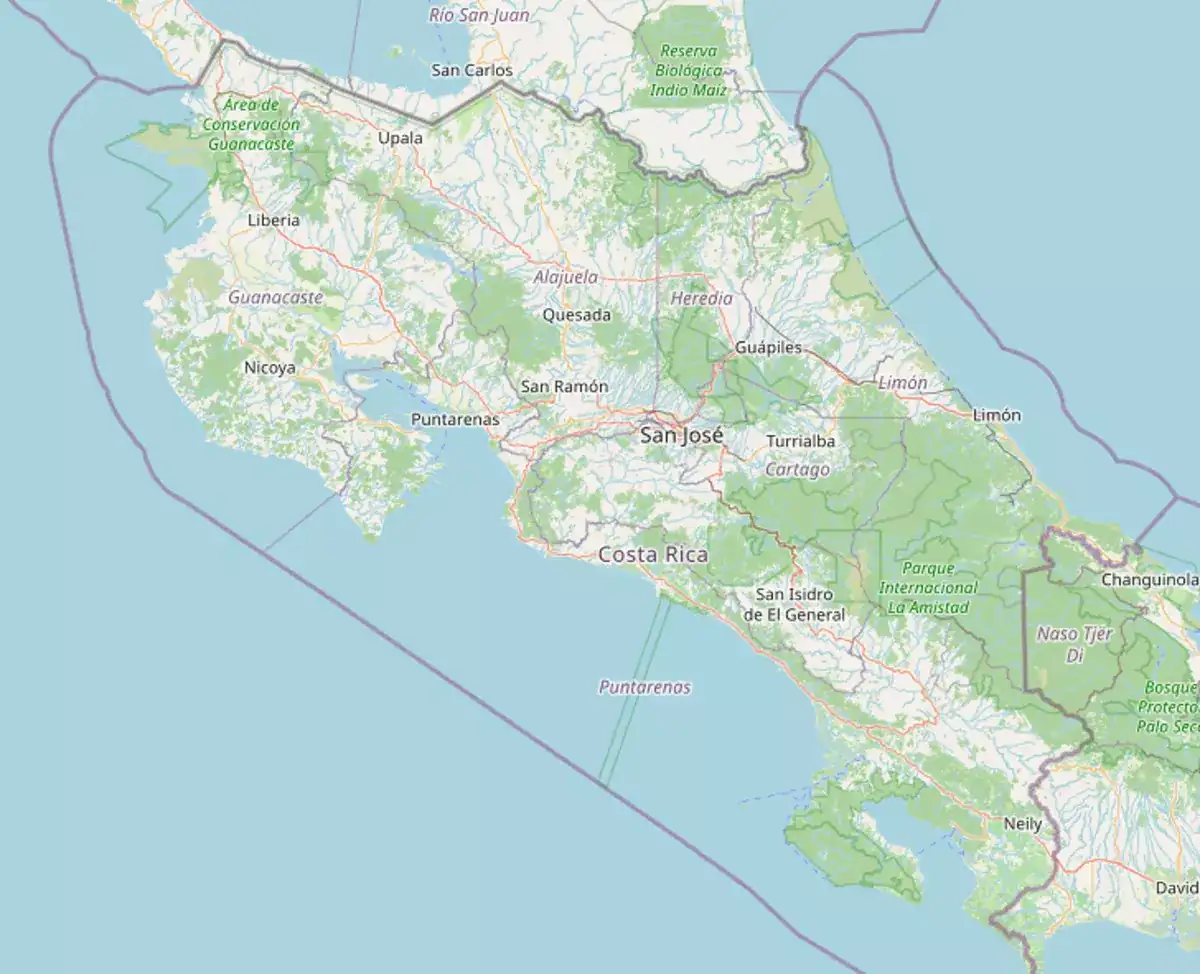
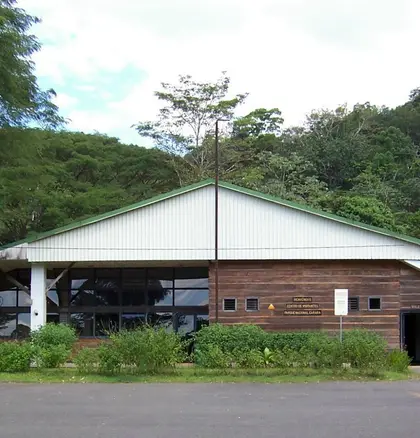
- The island: Cocos Island rises from open ocean about 530 km off mainland Costa Rica, and the boat is the visit. Ashore there are two sectors, Wafer Bay and Chatham Bay, with an information center, a ranger station, trails, lookout points, restrooms and drinking water. Park staff lead free walks on the trails when your crew arranges them. There is no pier you drive to.
Cocos Island National Park protects waters that UNESCO counts among the best-conserved tropical seas. It lists scalloped hammerhead, silky, Galapagos and whitetip reef sharks there, plus whale sharks, giant manta rays, about 300 fish species and the most diverse coral reefs of the Eastern Tropical Pacific. On land, rainforest gives way to cloud forest above about 500 m, with waterfalls, some 70 endemic plants, three endemic birds and two endemic reptiles.
Cocos Island National Park has two visitor sectors, Wafer Bay and Chatham Bay, and you reach both from your boat. Every boat that arrives on a recreational visit first gets a welcome talk from park staff, with a video of about 8 minutes on wildlife, entry fees, services, rules, fishing, introduced species and responsible diving. If needed, the park can also offer radio, phone, internet, drinking water, restrooms, showers and power.
Cocos Island National Park is open all year, every day of the week, so the timing of your visit depends on when your boat sails. Authorized operators plan far ahead: regular operators apply for their entry dates in June and July, two years before the year of the trip. Once a boat is approved, the park assigns its dive sites for each day of the stay, so groups don't crowd the same site.
Cocos Island National Park is reached only by sea. From San José, take the road toward Caldera and Puntarenas; authorized boats sail from the port of Puntarenas, and the crossing takes about 36 hours. Only boats authorized by the Cocos Marine Conservation Area may enter, so you travel aboard an authorized liveaboard. You do not reach it from a beach town.
Yes. Entry to Cocos Island National Park needs the authorization of the Cocos Marine Conservation Area, so in practice you book a place on an authorized liveaboard whose operator applies for the entry dates. Anyone applying directly must file the conservation area's form at least 15 days ahead, with each diver's certification, a day-by-day activity plan and the boat's seaworthiness certificate. There is no gate to arrive at.
Fees differ for foreigners and for residents. SINAC posts the figure, and it usually includes IVA, as of Oct 2026. Divers also pay a daily diving fee, and boats pay anchoring fees set by their length, so ask your operator what the trip price covers. The rates come from the decree that sets entry fees for all SINAC areas. The boat is a separate cost.
On a visit to Cocos Island National Park, your boat sets the daily schedule. The park allows at most 60 people scuba diving per day, up to 3 daytime dive groups per authorized site each day and one night group per site each night. Landings and trail walks are arranged between your crew and the park staff. This is not a park with a morning gate.
Yes, in practice. You visit Cocos Island National Park with your authorized boat, and scuba dives go in guided groups. The park tries to send one of its own staff on at least one of your dives, mainly to watch how divers behave underwater. On land, park staff lead walks on the trails free of charge, arranged in advance with your crew. You do not land on your own.
Cocos Island National Park is a no-take marine area, so fishing is not allowed. Follow the rules from the welcome talk and from your crew, dive only at the sites assigned to your boat, and keep to responsible diving practice. Introduced species are one of the park's main problems, and the talk explains how not to spread them. It is a liveaboard trip. Do not treat it as a beach day.
Parks near
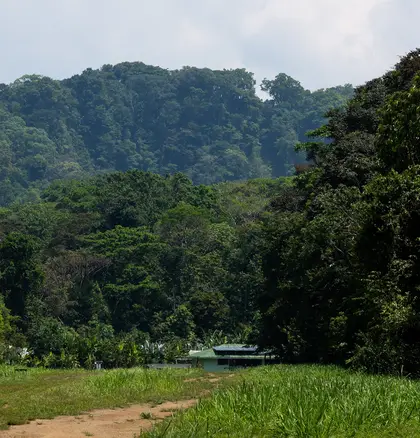
Corcovado
The big lowland forest on the Osa. You go with a guide, by boat or a long beach walk.
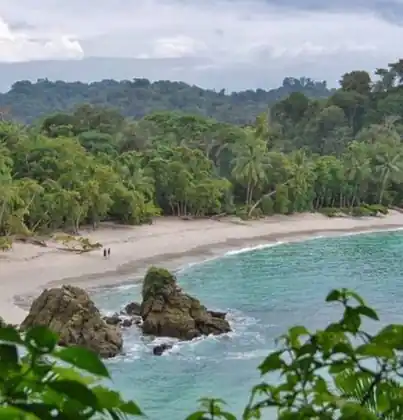
Manuel Antonio
The short Pacific park: monkeys, sloths, and a swim inside the gate. Closed Tuesdays.

Diriá
Hill forest inland from Tamarindo, above Santa Cruz. A 4x4 and a river crossing.
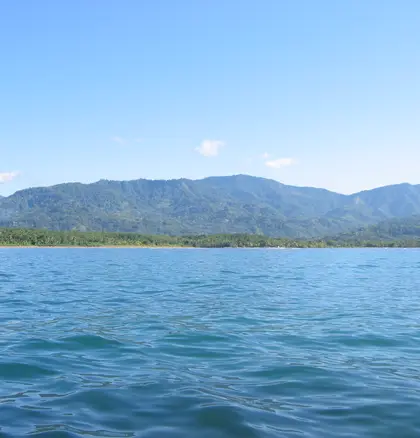
Marino Ballena
The whale-tail sandbar at Uvita. You walk it only at low tide, and pay at the ranger hut.
Carara
Macaws and a flat accessible trail, 20 minutes before Jacó. Book the ticket online.
San Lucas Island
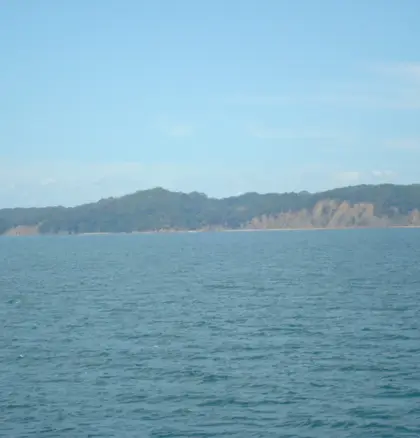
The old prison island off Puntarenas. A boat, a guided walk through the cells, and back.