- Montezuma waterfallsThe lower pool is the swim, cold, a short walk along the water from town. The lip is slick. Do not treat the upper drop as a place to jump.
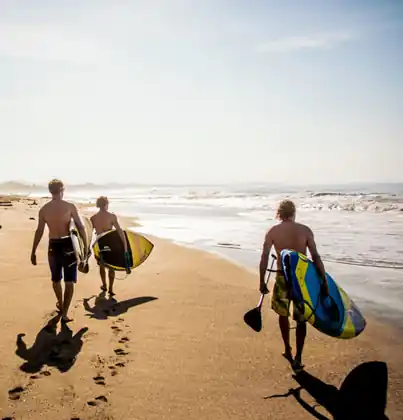
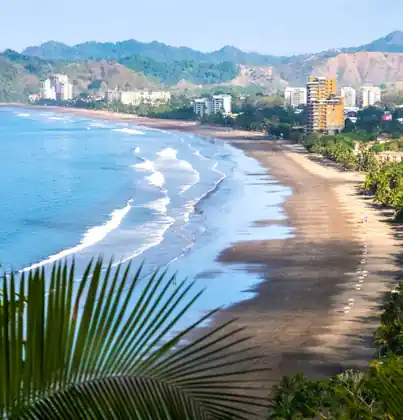
- Montezuma town beachA shore break hits the sand in front of town, and shade is thin by noon. Swim before noon. The river end is not calm when the stream is pushing.
- Cabo Blanco ReserveDrive to the village at the tip, then take the trails. The reserve is often shut one weekday, so ask in town first. The far beach is the point.
- Playa Grande MontezumaNorth of town the sand is longer, emptier, and short on shade. Waves can be stronger than in front of the village. Walk it early, not at midday.
- Romelio waterfallThis fall is farther than the town pool, on a steep path that is often muddy, with cold water at the bottom. Climb the same hill on the way back.
- Santa Teresa day tripThe dirt road over the hills is the long part, not the hour on the sand. Leave in the morning. That beach break is not the shore break here.
- Tide-pool coastRocky coast opens pools at low tide and covers them when the water rises. Turn around before the tide starts filling the way you walked in.
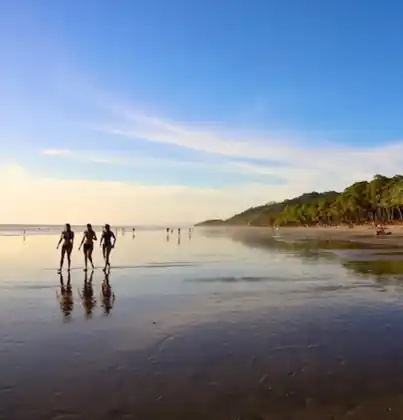
- Sunset beachThe town sand faces west and fills late. Go down before a standing crowd takes the view. The shore break stays. Carry a light for the walk up.
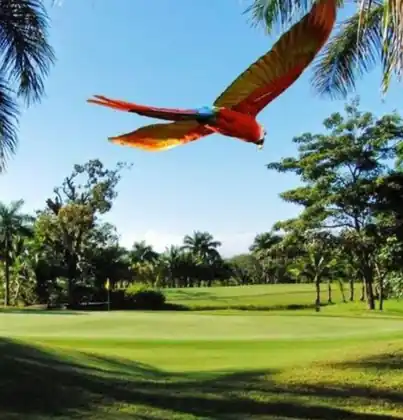
- Howler monkeysThey start at dawn in the trees above the road and along the falls path. Look up. By late morning the calling stops and the canopy looks empty.
- Snorkeling covesA calm morning can leave clear water in the rocky corners. If the town beach is dumping, leave the mask. These corners are not a sheltered sea.
The landscape is beach, waterfalls, and forested hills. You are likely to see howler monkeys, white-faced capuchins, iguanas, butterflies and pelicans. The plants around them are waterfall forest, heliconia, coconut and beach almond.
Around Montezuma, howlers are in the waterfall forest at first light. The town beach at noon is sun and a shore break. The monkeys are on the walk to the falls, not on the sand.
Cabo Blanco Absolute Nature Reserve, community care of the waterfall trail, and nest watches on the town beach.
In Montezuma, nesting beaches need low lights and a guide who follows the rules. On the trails, stay on the marked path.
The climate is tropical wet. It is hot, about 25–32°C. A shorter dry season from December to April. Heavy rain from May to November. Montezuma rises from sea level to 30 m (100 ft).
In the greener months the morning is still usable, and the rain tends to wait until afternoon. The countrywide calendar is in the best time to visit Costa Rica.
Most people start at Juan Santamaría in Alajuela and continue by car. From the Central Valley, add time for the mountain roads.
The last stretch is slow, and often dirt. Leave while you still have daylight. Buses, shuttles, and rental cars are compared in getting around Costa Rica.