- Go early. The craters cloud over by noon, as of 5 Oct 2026.
- A foreign adult pays US$16.95. IVA is included, as of 5 Oct 2026.
Irazú Volcano National Park
Costa Rica
Irazú Volcano National Park, above Cartago, protects the highest volcano in Costa Rica, 3,432 m, with five craters. Its name comes from Iztarú, an Indigenous word for hill of tremor and thunder. On a clear day the top looks out to both oceans, but the craters often cloud over by noon, so go early. From Cartago the road climbs through Cot, Potrero Cerrado and San Juan de Chicuá; allow about 1.5 hours from San José. It averages 5 to 9 °C, so bring a coat, and watch your lunch: raccoons and coatis at the picnic areas try to steal it.
Check before you go
Facts
Morning: Go early. The craters cloud over by noon.
Fee: A foreign adult pays US$16.95. IVA is included, as of Oct 2026.
Drive: Above Cartago.
Contact
Phone (Craters sector): +506 2200-5025
Phone (Prusia sector): +506 2200-4422
Email: irazu.info@sinac.go.cr
Official page: SINAC park page
Tickets: online through SICORE, serviciosenlinea.sinac.go.cr
Checked with SINAC, as of 8 Oct 2026.
Map
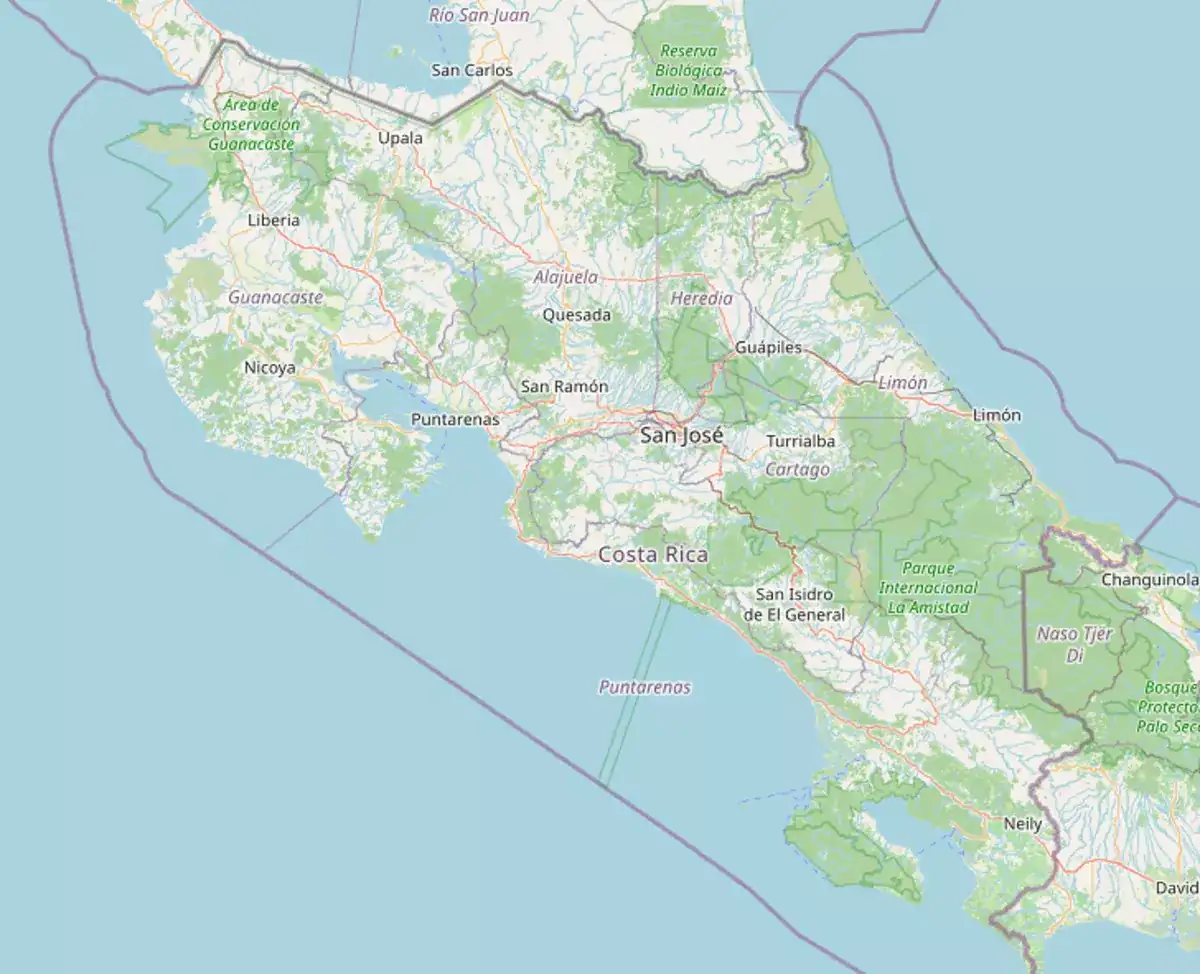
- The craters: From the Cráteres sector you can see five craters, two near the entrance booth and three at the summit. The main crater is about 1,050 m across and 300 m deep, and Diego de la Haya is 690 m across. You can also walk out onto Playa Hermosa, a volcanic terrace that was once the rim of an old caldera. Since a 1994 blast on its north wall, the main crater has shown only fumaroles.
Irazú Volcano National Park is high, cold, misty country, with low shrubs of small, tough leaves and stands of oak. The ICT names the volcano junco, sooty thrush, rufous-collared sparrow and sooty-capped bush tanager, plus coyotes, rabbits, armadillos, gray foxes and pocket gophers. On a clear day, SINAC says, the summit takes in much of the country, and with a telescope even Lake Nicaragua. Never feed the animals.
Irazú Volcano National Park has two sectors, each with its own entrance. Cráteres, at the top, has the crater lookouts, parking, a cafeteria, accessible restrooms and an information booth on the way to the main lookout. Prusia, off the road before the summit, has about 16 km of trails, including El Roble, La Gruta and Los Abuelos, plus picnic areas, restrooms and water. The Reventado river rises there.
Irazú Volcano National Park is open every day of the year, but SINAC warns that the summit is in fog most of the time and you can't be sure of seeing the craters. The IMN notes that the eastern Central Valley gets more rainy days than the west and more rain from December to February, so even the dry months can be damp. Check the forecast, and come as early as you can.
From San José, take the Florencio del Castillo highway to Taras de Cartago, then head north on the road up the volcano through Tierra Blanca. For Prusia, turn left about 2 km past Tierra Blanca and drive about 4 km more; SINAC calls that road poor and suggests four-wheel drive. Without a car, SINAC lists a daily 8 a.m. bus from Avenida 2, between Calles 1 and 3, in downtown San José.
Yes. SINAC sells tickets for both sectors only online, through its SICORE system, and the ICT says you register there and show your purchase code at the park, along with your passport or ID. MINAE suggests downloading the ticket's QR code to your phone before you set out. SINAC adds that tickets can't be refunded, even when cloud hides the craters, so watch the weather before you buy.
A foreign adult pays US$16.95 at Irazú Volcano National Park. IVA is included, as of Oct 2026. SINAC sets a lower fee for non-resident children, children under 2 enter free, and Costa Rican nationals and residents pay in colones. Parking is extra and is paid by card at the entrance booth. Buy your tickets online before you go, as the park doesn't sell them at the gate.
SINAC lists Irazú Volcano National Park as open every day from 8 a.m. to 4 p.m., holidays included. The last entry is at 2 p.m. for the Cráteres sector and 1 p.m. for Prusia, and the ICT's 2023 park sheet gives the same times. Earlier is better at the summit, since cloud tends to cover the craters later in the day, so plan to be at the gate soon after it opens.
No, Irazú Volcano National Park does not require a guide, and you can visit the crater lookouts and Prusia's trails on your own; the ICT notes that the crater is easy to reach. Because this is an active volcanic area, SINAC asks you to follow the rangers' instructions, which are there to keep you safe in an emergency. If you'd like a guide, the ICT keeps a list of tour guides on its website.
At Irazú Volcano National Park, stay on the trails and public areas, and follow the rangers' instructions. Pets, smoking and entering drunk are not allowed, and neither are campfires. Don't take stones, plants or anything else from the park, and don't feed the wild animals, not even the raccoons and coatis that raid picnic tables. Take your trash with you, park only in marked areas, and respect the signs and the schedule.
Parks near
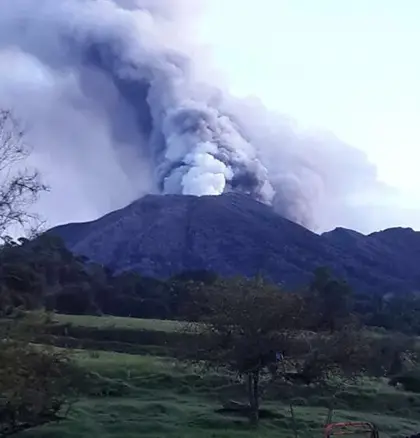
Turrialba Volcano
An active volcano east of Cartago. Book ahead and check the alert level before you drive.
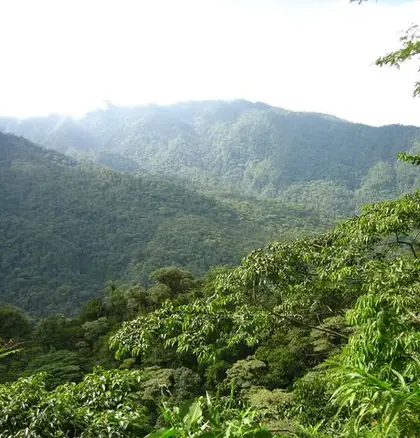
Braulio Carrillo
Cloud and rainforest on the road to the Caribbean, and a cold crater lagoon above Heredia.
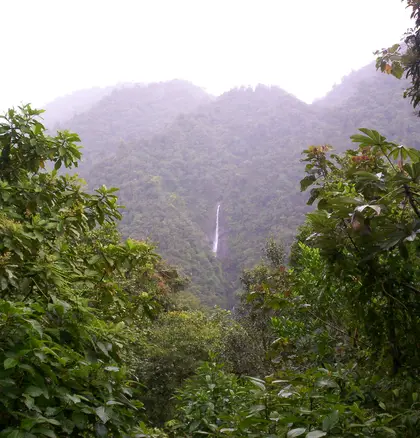
Tapantí
River and rainforest at the end of the Orosi road, a day trip from Cartago.
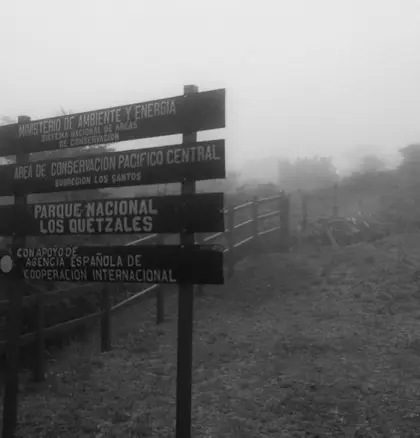
Los Quetzales
Cold oak forest at km 76, for quetzals. Pair it with a night in San Gerardo de Dota.
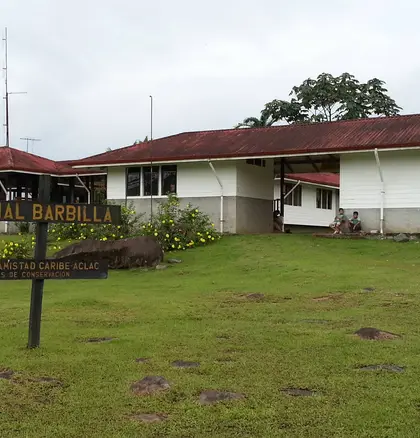
Barbilla
Rainforest south of Siquirres, with a guided river hike. Few people, gravel road in.
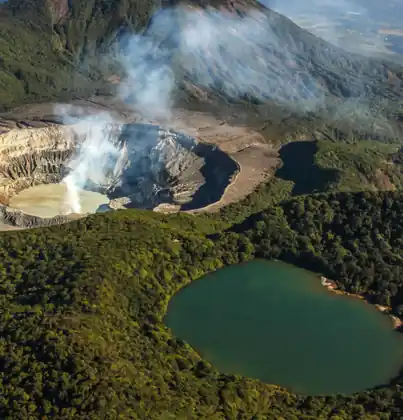
Poás Volcano
A steaming acid lake above Alajuela. Book a morning slot and look from the rail.