- Poás craterA steaming acid lake fills the main crater. You look from the set overlook and stop there. Be there at opening; late morning is often white.
- Laguna BotosA short trail through cloud forest ends at a green crater lake. The view is from a platform. Swimming is out; mist is normal, and the air is cold.
- Cloud-forest trailsIf the crater is hidden, the short trails are the visit: mud, drip, and flowers. Coat and closed shoes. They are a walk, not a backcountry route.
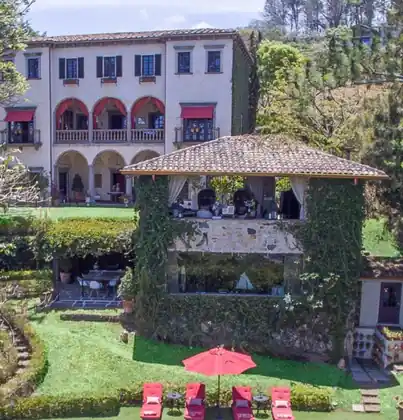
- Doka EstateComing down toward Alajuela, the estate is the coffee stop. You cannot walk it from the park gate. Taste on the way out, once the crater is done.
- La Paz Waterfall GardensToward Vara Blanca, the falls and the gardens are a separate stop with a real walk. They are not ten minutes from the crater lot. Budget the time.
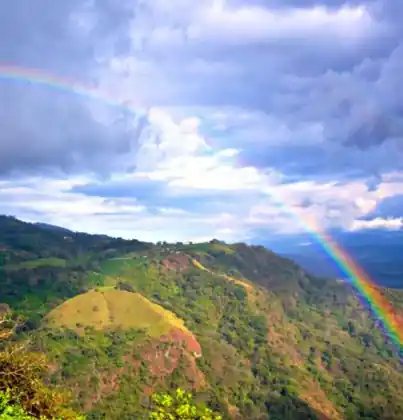
- Poás lookoutSafe pull-offs on the way up look over the valley, not into the crater. They still work when the lake is hidden. Stop only fully out of the lane.
- Visitor centerExhibits by the entrance explain the steam when you cannot see the lake. Use the bathroom there. This is not a museum you visit later.
- Alajuela day tripThe city below has the square, the small history museum, and lunch. It is warmer. Half a day down the hill is enough; no need to sleep there.
- Coffee farmsCoffee covers the slopes under the park. A farm stop is lower and warmer than the crater rim. Do it after the opening, on the way down.
- Trail hummingbirdsHummingbirds work flowers beside the forest path. Stand still. The crater rail is where the crowd is; the trail is quieter, and the air is colder.
The landscape is active crater, cloud forest, and crater lakes. You are likely to see hummingbirds, sooty thrushes, clay-colored robins and the occasional coyote. The plants around them are high-elevation oak, poor man's umbrella, ferns and shrubs around the crater.
Around Poás, hummingbirds work the forest edge at first light, before the crater cloud drops. The rim is the trip. By late morning you may see neither the lake nor the birds.
Poás Volcano National Park limits time at the crater and has closed during eruptions to protect visitors and the rim.
In Poás Volcano, stay on the trail and do not feed what you came to see. That is the rule that keeps this place the way it is.
The climate is montane cloud forest. It is cool and often foggy, about 8–18°C. It is wet most of the year. Mornings are the clearest. Poás Volcano sits at 2,708 m (8,885 ft).
If the view is gone when you arrive, wait. Cloud here comes and goes. The countrywide calendar is in the best time to visit Costa Rica.
The airport for this region is Juan Santamaría in Alajuela. Once you are in the valley, San José traffic matters more than the kilometers.
Traffic decides the time, not the kilometers. A short hop can take an hour. Buses, shuttles, and rental cars are compared in getting around Costa Rica.