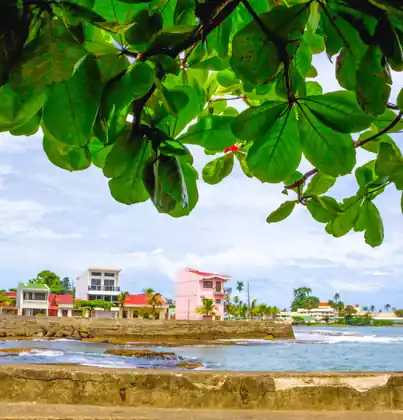
- Puerto Viejo town: Walk from the soccer field to the water. Morning is quiet, and the main street changes after dark. The reef break here is not where you learn.
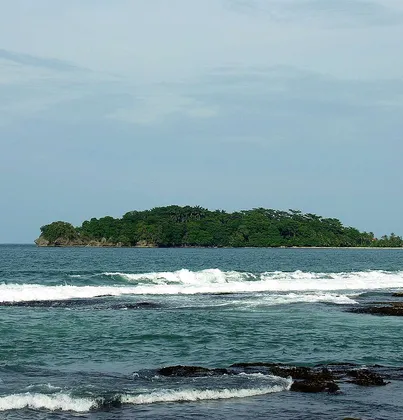
- Cocles surf: South of town is the lesson wave, cleaner early, before wind chops it. A bike will do. If you are not surfing, stay on the sand and watch a set.
- Cahuita National Park: North, the park holds a beach trail and the reef. Go in the morning and stay off the coral. Do not confuse it with the beaches on the road south.
- Punta Uva: Farther south, the point is the calm swim, reef close in. The ride is long, so many take a car. Do not mix it up with the open surf beach.
- Manzanillo refuge: The south road ends in a quiet village inside the refuge. Give it half a day, then turn around. Forest and sand; it is not a five-minute hop.
- Jaguar Rescue Center: On the south road, animals in care are shown only at set times. You cannot wander in. Pair it with the beaches; it is a rescue stop, not a zoo.
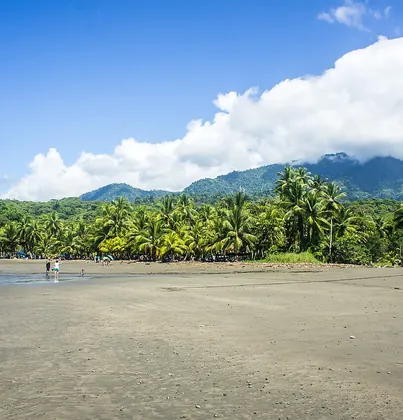
- Playa Negra: Dark sand north of town is a local wave, not the beach at Cahuita with the same name. A short bike. Not the snorkel, and not the south surf break.
- Chocolate tours: Farms on the south road walk you from cacao pod to cup. Confirm they are receiving people that day. A shut gate is common if you just arrive.
- Reef snorkeling: Mask water is south, at the calm point or the refuge, not on the town surf break. Go early. Do not stand on coral; late wind clouds the bottom.
- Sloth trails: Look into guarumo crowns, or hire a guide on a flat path. A sloth will not perform. The roadside is only a chance once the day heats up.
For breaks and seasons, see Surf in Costa Rica.
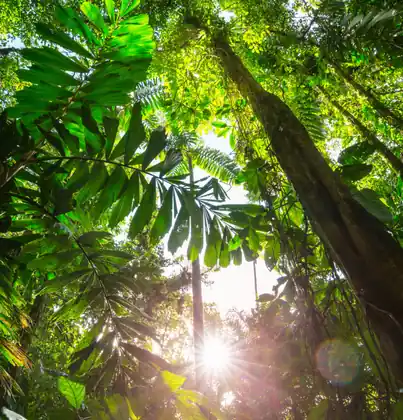
The landscape is caribbean town, beaches, and rainforest. You are likely to see sloths, howler monkeys, poison-dart frogs, toucans and keel-billed birds in the gardens. The plants around them are coconut, cacao, beach almond, coral and lowland Caribbean forest.
Around Puerto Viejo, sloths are in the garden trees at first light, often on the road south toward Cocles. Howlers call then and go quiet by noon. The reef is the swim, not where the animals are.
Cahuita National Park is co-managed with the town, and the Jaguar Rescue Center rehabilitates injured wildlife.
In Puerto Viejo, stay on the trail and do not feed what you came to see. That is the rule that keeps this place the way it is.
The climate is tropical wet. It is hot and humid, about 25–31°C. Rain year-round, heaviest from November to January, with a drier spell in September and October. Puerto Viejo de Talamanca sits at sea level.
A dry morning can still rain by afternoon. Pack for both on the same day. The countrywide calendar is in the best time to visit Costa Rica.
Most people leave Juan Santamaría in Alajuela, take Highway 32 through Braulio Carrillo National Park, and reach Limón. The coast road then continues to Cahuita, Puerto Viejo, and Manzanillo.
The road along this coast is slower than it looks. Do not start it late. Buses, shuttles, and rental cars are compared in getting around Costa Rica.