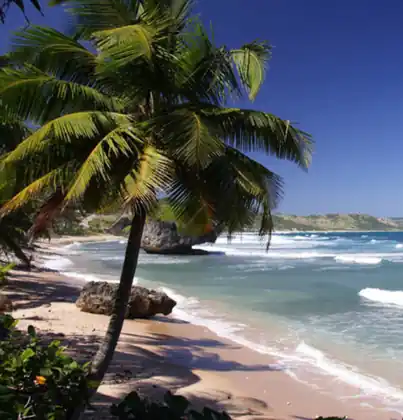
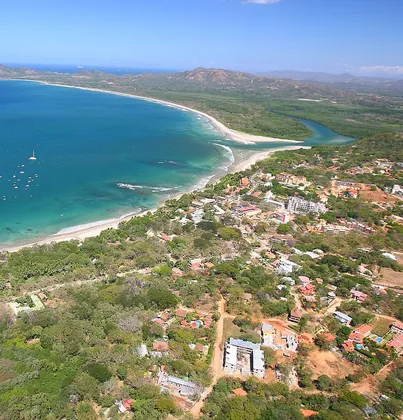
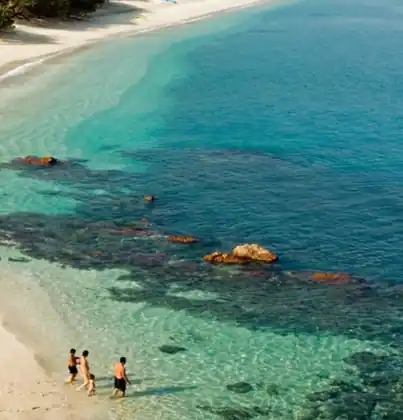
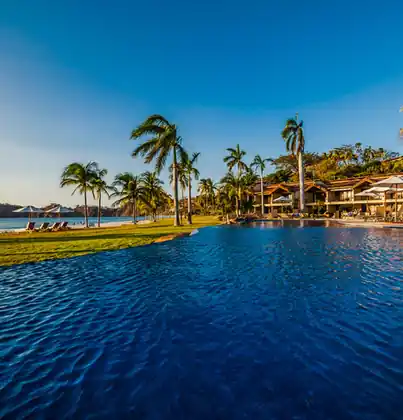
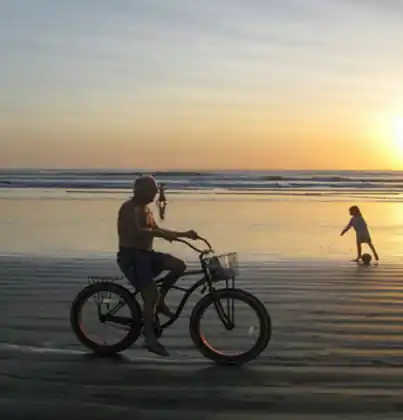
- Playa Langosta: Points and sandy coves just south of town, not one long bay. Swim the pockets, not the rocks. After noon there is almost no shade. Bring a hat.
- Langosta estuary: Still water and birds in the mangrove between the two beaches. It is not the surf. Walk it, or from the car you only see a bridge. Stop anyway.
- Las Baulas nesting beach: Leatherbacks come from October to February, at night, with a guide. Keep lights off the sand. Other months it is a walk, not a tour.
- Playa Grande: Long exposed sand on the far side of the estuary, with less shade than town. A boat crosses, or the road goes around. Read the sets first.
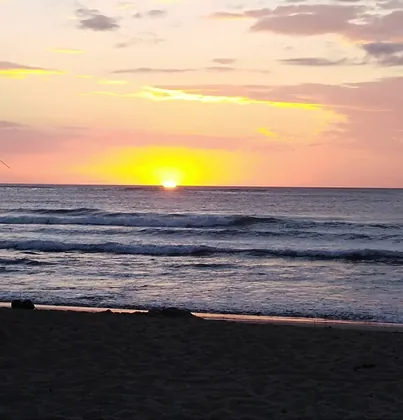
- Tamarindo Beach: The busy sand just north of the mouth: lessons, boats, and a sunset crowd. It will burn you at midday. Use the morning or the late light.
- Mangrove birding: Get out of the car. Morning birds work the red mangrove, and that is the whole visit. It is an estuary, not another place to swim. Look for birds.
- Estuary paddle: Flat water, and you stay in the boat. The mouth out to the ocean has a current. Morning is the calm paddle. This is not the surf break.
- Howler monkeys: They call from the estuary trees at first light. Walk slowly and you hear them before you see them. Later in the day they have gone quiet.
- Tide-pool walk: Pools in the point rocks, and only when the tide is low. High water covers them. This is a rocky walk, not a cold pool under a waterfall.
- Surf at the river mouth: The sandbar at the mouth has a wave and a current beside it. It is cleaner early. Learners stay inside, away from the channel. Watch the current.
For breaks and seasons, see Surf in Costa Rica.
The landscape is beach, estuary, and rocky points. You are likely to see howler monkeys, white-faced capuchins, leatherback turtles, magpie jays and mangrove crabs. The plants around them are tropical dry forest of guanacaste and pochote, plus red mangrove in the estuary.
Around Playa Langosta, howlers call from the estuary trees at first light. Leatherbacks, in season, are a night with a guide on the nesting sand, not a midday walk.
Las Baulas rangers patrol the leatherback beach, and the Langosta estuary mangrove is kept intact.
In Playa Langosta, stay on the trail and do not feed what you came to see. That is the rule that keeps this place the way it is.
The climate is tropical dry. It is hot, about 28–33°C. Little rain falls from December to April. Afternoon showers fall from May to November. Playa Langosta sits at sea level.
In the greener months the morning is still usable, and the rain tends to wait until afternoon. The countrywide calendar is in the best time to visit Costa Rica.
The nearest airport is Daniel Oduber in Liberia. Juan Santamaría in Alajuela is the other option. From the Central Valley the road crosses mountains, so the drive takes longer than the map says.
The drive is simple until the last kilometers. Arrive in daylight if you do not know the road. Buses, shuttles, and rental cars are compared in getting around Costa Rica.