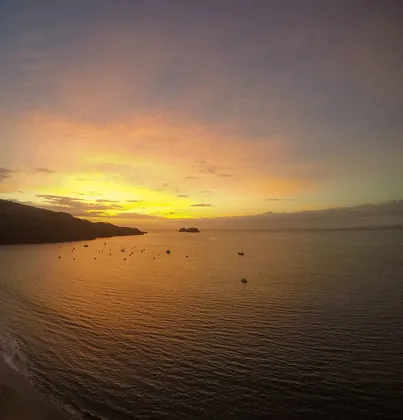
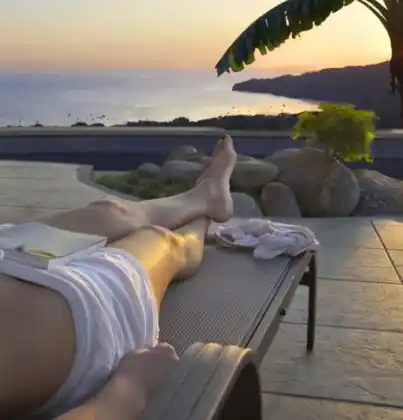
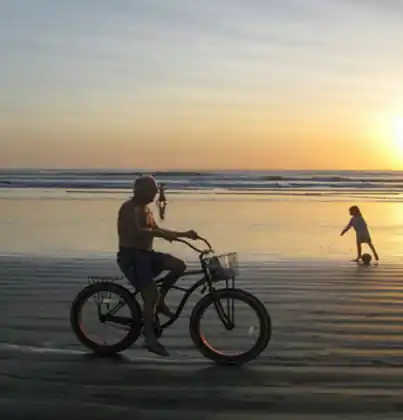
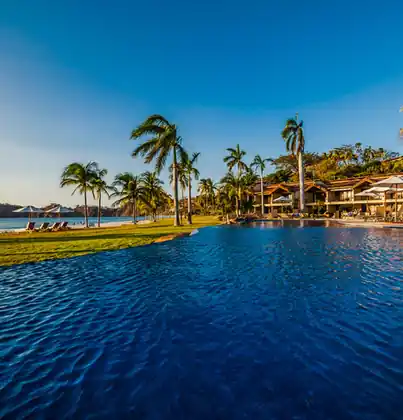
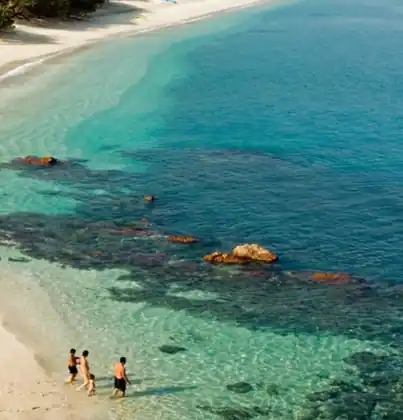
- Península PapagayoThe bays are the place, and you often pass a gate to reach them. See them in the morning, before the heat. Dry forest sits on the hills behind.
- Bahía CulebraA large sheltered bay: you can stay in the water. It does not have the shove of the open coast, until the afternoon wind puts a chop across it.
- Playa NacascoloOne of the calm crescents inside the bay. Use it when the beaches nearer the open sea are too much. Morning is the smooth hour here.
- Playa ViradorAnother inner beach, held calm through the morning. Do the swim before lunch. After that the wind crosses the point and the surface roughs up.
- Playa PrietaA small dark cove on the peninsula. The easy water is here. What swell there is hits the point outside, not this pocket. Go before the heat.
- Snorkeling reefsPut the mask on in the morning, inside the bay. After midday the water is too stirred for a look at the bottom. It is not a wall dive.
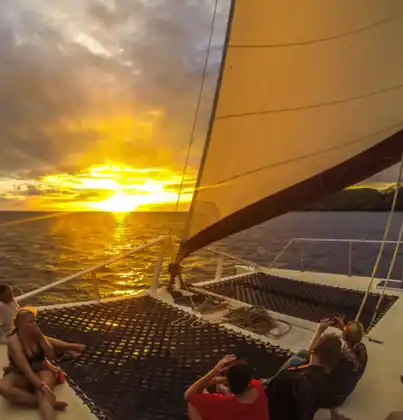
- Sunset catamaranThe boat leaves the peninsula later in the day. Be there before they cast off, with time to sit. The point is the sun on the bay, not a dive.
- Peninsula Papagayo golfA full round on the peninsula hills takes the morning. It is not a break between swims. Start while the fairways are still in soft light.
- Howler monkey trailsDry forest at first light. You hear them before you see them. Walk slowly, and do not expect the same calls once the day is hot. Bring a layer.
- Calm resort baysCalm water inside the points is why people stay. Pick one bay before the wind crosses. These are not the open coast breaks down the road.
The landscape is four beaches, peninsula, and dry forest. You are likely to see howler monkeys, white-faced capuchins, deer, magpie jays and reef fish in Culebra Bay. The plants around them are tropical dry forest, guanacaste trees and coastal scrub.
Around Papagayo, howlers and deer are in the dry forest at first light, before the bays fill. Reef fish in Culebra Bay are a morning in the water. Do not expect them from the road at noon.
Private reserve land on the peninsula limits building on the bays, beside the Guanacaste Conservation Area.
In Playa Papagayo, stay on the trail and do not feed what you came to see. That is the rule that keeps this place the way it is.
The climate is tropical dry, and one of the driest spots in the country. It is hot, about 28–33°C. Almost no rain from December to April. Papagayo rises from sea level to 40 m (130 ft).
In the greener months the morning is still usable, and the rain tends to wait until afternoon. The countrywide calendar is in the best time to visit Costa Rica.
The nearest airport is Daniel Oduber in Liberia. Juan Santamaría in Alajuela is the other option. From the Central Valley the road crosses mountains, so the drive takes longer than the map says.
The drive is simple until the last kilometers. Arrive in daylight if you do not know the road. Buses, shuttles, and rental cars are compared in getting around Costa Rica.