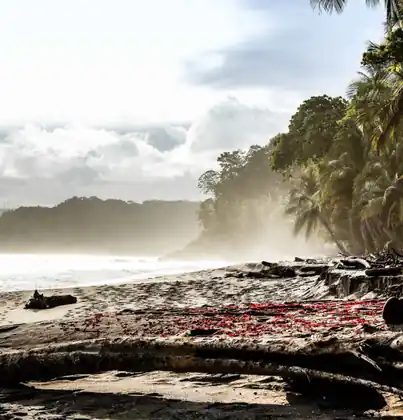
- Cabo Blanco Reserve: The reserve trails start in the village, and one weekday it is often shut. Ask the afternoon before. Stay on the path down to the cape beach.
- Cabuya island cemetery: The graves sit on a small island you reach on foot, and only while the sandbar stays dry. Once the tide lifts, that crossing is gone.
- Montezuma waterfalls: The falls are a walk north, and the swim is a cold pool under the lower drop. The stone is slick. Leave early and be back before the path fills.
- Malpais beach: That beach faces open swell, so it is not the calm water beside the village. Watch one full set before you get in. The road over is slow.
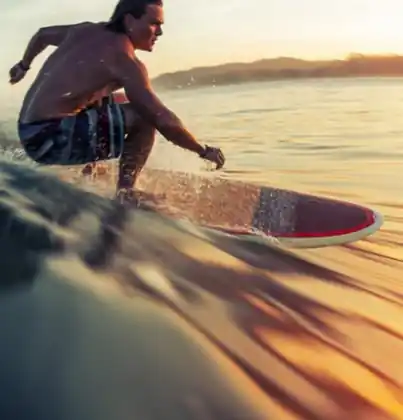
- Santa Teresa surf: The sand there picks up a beach break that turns messy once the breeze fills in. Go out early. It is not the quiet water in front of the reserve.
- Cabuya tide walk: These rocks line up as a path only at low tide. Cross while the ledge is dry, and turn back before the rising water covers the way you came.
- Howler monkeys: You hear them at first light in the trees behind the houses, not at noon. Walk slowly and look up. The noise starts before you see a monkey.
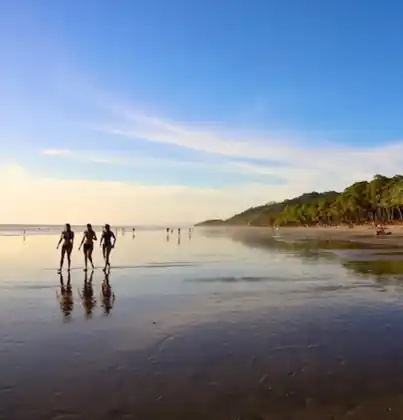
- Cabuya sunset: The sun drops straight into the Pacific off this open sand. Arrive a little early and carry a light. After dark the road back has no lamps.
- Montezuma beach: The town sand is a short ride north, with a real shore break and thin shade at midday. Swim early. It is not the beach at the end of the reserve.
- Snorkeling coves: Pick a calm morning among the rocks, before chop lifts grit off the reef. If the sea is already white, leave the mask. It is not a distance swim.
The landscape is rocky coast, tide island, and forest. You are likely to see howler monkeys, white-faced capuchins, iguanas, brown pelicans and hermit crabs. The plants around them are moist forest in Cabo Blanco, beach almond and coconut along the tide line.
Around Cabuya, howlers are in the Cabo Blanco forest at first light. Pelicans work the rocky shore through the morning. The island cemetery is a tide walk, not a place you will see monkeys.
Cabo Blanco Absolute Nature Reserve, Costa Rica's first protected area, still bars most extraction on the cape.
In Cabuya, stay on the trail and do not feed what you came to see. That is the rule that keeps this place the way it is.
The climate is tropical wet. It is hot, about 25–32°C. A shorter dry season from December to April. Heavy rain from May to November. Cabuya sits at sea level.
In the greener months the morning is still usable, and the rain tends to wait until afternoon. The countrywide calendar is in the best time to visit Costa Rica.
Most people start at Juan Santamaría in Alajuela and continue by car. From the Central Valley, add time for the mountain roads.
The last stretch is slow, and often dirt. Leave while you still have daylight. Buses, shuttles, and rental cars are compared in getting around Costa Rica.