Gandoca-Manzanillo National Wildlife Refuge Costa Rica
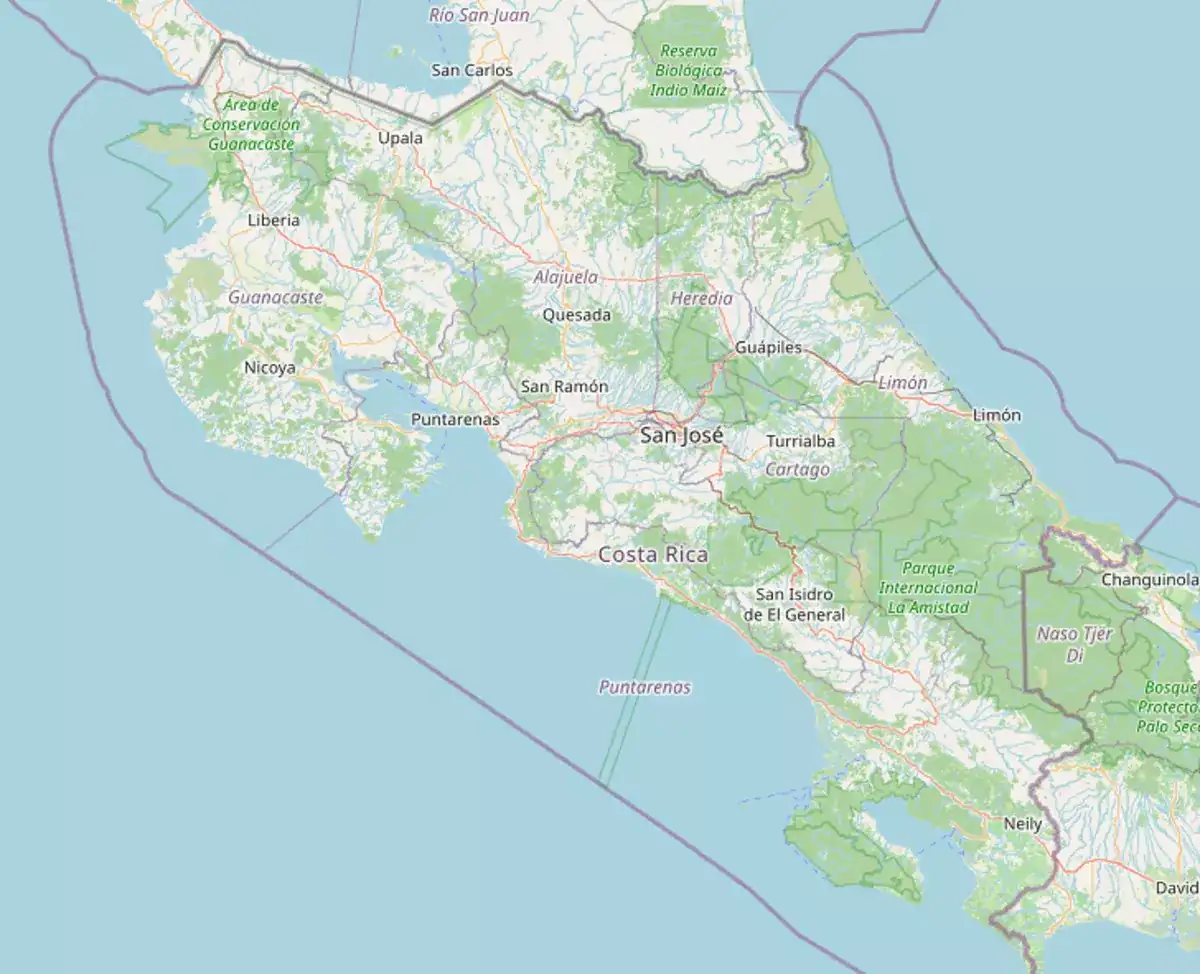
Gandoca-Manzanillo National Wildlife Refuge runs along the southern Caribbean coast from the Cocles river to the Sixaola, on the Panama border. It is a mixed refuge of state and private land, and people live inside it. About 5 km² of coral reef lies off Punta Uva, Manzanillo and Punta Mona; don't stand on the coral or take shells. Leatherback, loggerhead, green and hawksbill turtles nest on its yellow-sand beaches, the wetlands protect manatee habitat, and 377 bird species are recorded. The Manzanillo sector is at the end of the main road through Puerto Viejo, 71 km from Limón.
Check before you go
Entry is free, as of 31 Oct 2026.
Open every day, 8:00–16:00, in the Manzanillo and Gandoca sectors, as of 31 Oct 2026.
Don't stand on the coral, and don't take shells or coral, as of 31 Oct 2026.
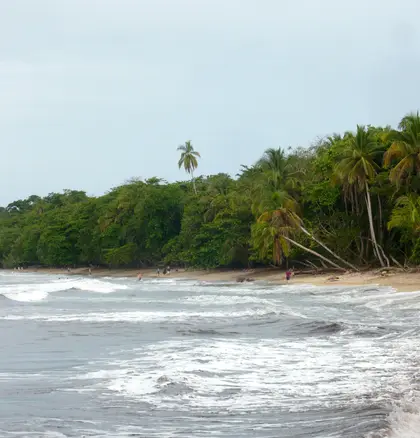
Beaches: Yellow sand and turquoise water. Don't swim where signs mark danger.
Coral reef: About 5 km² of reef off Punta Uva, Manzanillo and Punta Mona, with brain corals and sea fans.
Sea turtles: Leatherback, loggerhead, green and hawksbill turtles nest on the refuge's beaches.
Wetlands: Swamps, lagoons and flooded forest, with the country's only natural bed of mangrove oysters.
Beaches, a coral reef and wetlands. The refuge counts 377 bird species and 38 mammal species, and it protects the habitat of manatees and nesting sea turtles.
The Manzanillo sector is at the end of the main road through Puerto Viejo, 71 km from Limón. The Gandoca lagoon sector is reached from the Bribri–Sixaola road, 95 km from Limón.
Nothing. Entry is free, every day from 8:00 to 16:00.
The ICT's Caribbean guide lists guided tours to watch leatherbacks nest from February to May.
No. It is a mixed refuge of state and private land, and people live inside it. In the villages, most people live from tourism and small-scale fishing.
Stay on the trails. Don't stand on the coral or take shells or coral. No pets, alcohol or weapons. Don't swim where signs mark danger.