San José is the capital province, and the smallest of the seven. The city is compact. Escazú and Santa Ana sit on the hills to the west, which is where many people look for a house. A ticket can say San José when the plane lands in Alajuela. On this site those towns are the Central Valley, which also takes in Alajuela, Heredia, and Cartago.
Where San José is
The capital of the province is the city of San José. West of it, the hills of Escazú and Santa Ana are still this province. Alajuela, Heredia, and Cartago share the same bowl of mountains. They are the other three. Pérez Zeledón, well to the south, is also San José, with a wetter climate and a different drive.
On this site the towns are filed in the Central Valley. There is no separate San José region. A capital stay is the city and the west side. It is not that southern canton, and it is not a base for a beach week.
The province is milder than either coast. The capital sits at about 1,150 meters. Mornings are the clear hour. From about May to November a shower often builds in the afternoon and then passes. December to April is the drier stretch. A jacket matters at night in December and January. It does not matter at noon. Do not pack from a beach forecast.
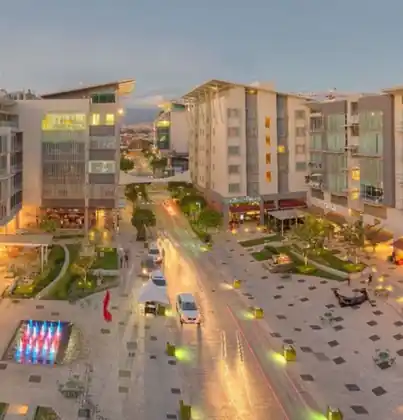
San José is the capital. The useful part is the center: theater, museums, market.
Escazú is hills on the west side of San José, with restaurants and a quieter night than downtown.
Santa Ana is a valley town west of Escazú, a little lower and warmer.
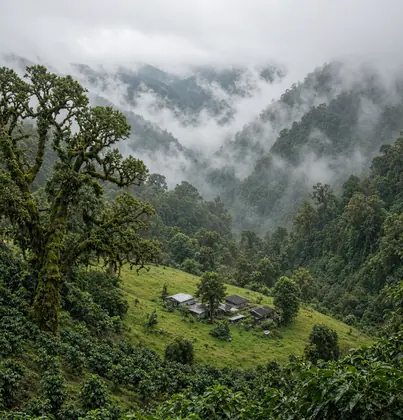
San Gerardo de Dota is a high valley on the road south, for quetzals and cold air.
Getting around
There is no international airport in this province. The nearest is Juan Santamaría (SJO), in Alajuela. The drive is short when the road is clear, and long in the late afternoon. Sleep in Alajuela the night before an early flight. Do not come in from a beach the same day as the plane.
Route 1 leaves the city toward Alajuela and the northwest. Route 27 is the highway from the capital toward the Pacific. Route 2 is the road south, the one that climbs toward San Gerardo de Dota. Rain on that pass makes it slower than the map. Give it a morning.
Use the center by day: the theater, the museums, and the market. Take a taxi after dark instead of a long walk. The link between Escazú, Santa Ana, and the center is a short drive until the afternoon, when it slows. Downtown does not need a car. The ridge does.
Parks and protected areas
These national parks are in San José: Los Quetzales, La Cangreja, Chirripó, Tapantí (part), and Carara (part).
The province is the capital and the hills west of it. On this site that is San José, Escazú, and Santa Ana. It is not the whole Central Valley. Alajuela, Heredia, and Cartago share the same bowl of mountains and are the other three.
The line and the city people mean are almost the same thing here. Pérez Zeledón, well to the south, is also San José province, with a different drive and a wetter climate. San Gerardo de Dota is the cloud-forest night on that road. A capital stay is the city and the west side, not that southern canton.
No. Juan Santamaría (SJO) is in Alajuela. It is a short drive when the road is clear, and a long one in the late afternoon. A ticket that says San José still lands there. There is no international airport inside this province.
Sleep in Alajuela the night before an early flight. Do not drive in from a beach the same day as the plane. Give that road a morning. Rain on the mountain pass makes it slower than the map, which is why the weather guide belongs in the same plan.
By day, yes, if you treat the center as a city and not a resort. Use the theater, the museums, and the market in the morning, keep the bag in front, and take a taxi after dark instead of a long walk. The blocks thin out once the offices close.
Escazú and Santa Ana are quieter residential hills, which is why a house search starts there. They are still a city. Lock the car, and do not leave a bag on the seat. The safety guide is the rest of the country, which is a different problem from downtown.
Stay in Escazú or Santa Ana if the point is restaurants, a house, or a quieter night. Stay nearer the center if the point is the theater and the museums and you are leaving in the morning. The two are a short drive apart until the afternoon, when the link road slows.
Hospitals and international schools are why a longer stay lands in this province and the beach becomes the weekend. It is a poor base for a one-week beach trip. You will spend the days in the car.
San José province is milder than either coast. The capital sits at about 1,150 meters. Mornings are the clear hour. From about May to November a shower often builds in the afternoon and then passes. December to April is the drier stretch, and the sun is direct by late morning.
A jacket matters at night in December and January. It does not matter at noon. Do not pack from a beach forecast. Cartago and the volcanoes above it are colder still.
The local attractions in San José province are the National Theatre, the National Museum, the Central Market, the Gold Museum, and a walk in the Escazú hills. Downtown does not need a car. The ridge does.
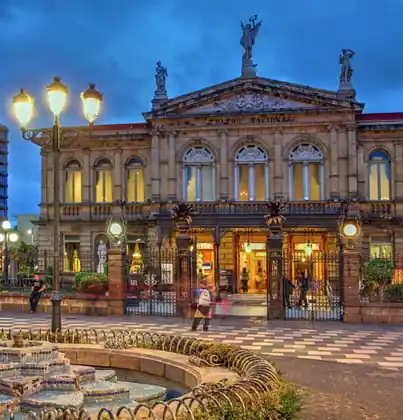
- National Theatre: The coffee-era theatre sits on Plaza de la Cultura. See the marble foyer, or stay for a show. Ask that day, because a rehearsal can close it.
- National Museum: History halls fill the old Bellavista barracks, and a stone sphere sits in the garden. Give it one real visit. Do not stack three more museums after it.
- Central Market: Morning is fruit, coffee, and a plate at a soda. Cash works better than a card in the aisles. Many stalls fade after lunch.
- Gold Museum: Gold pieces fill rooms under Plaza de la Cultura, beside the theatre. Do both on this block. It is a short visit, not a huge hall.
- Escazú hills: Pico Blanco is a rough morning walk behind Escazú. Mud is normal in the wet months. By afternoon, cloud often sits on the cliff.