- Manuel Antonio National ParkThe gate caps how many people enter each day. Come early. Beaches and monkeys are past the entrance, and a late arrival can mean you never get in.
- Punta CatedralThe forested point is a loop of an hour, and the path can be muddy. It is a walk, not a swim. If a section is roped off, do not step around it.
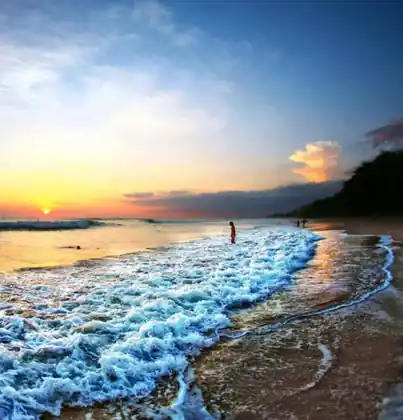
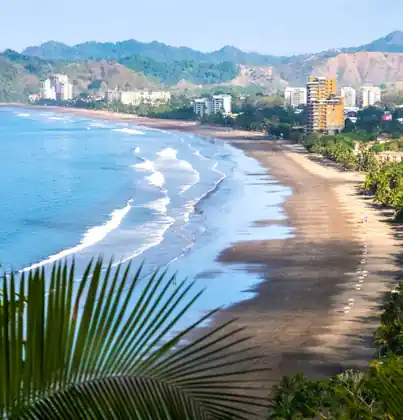
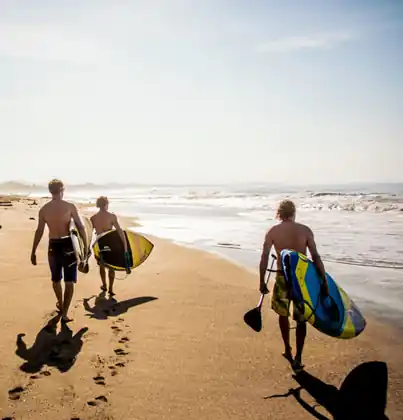
- Playa EspadillaThe public beach outside the gate can pull. Watch a set, and do not assume it matches the cove inside. Swim early, and skip it when it dumps.
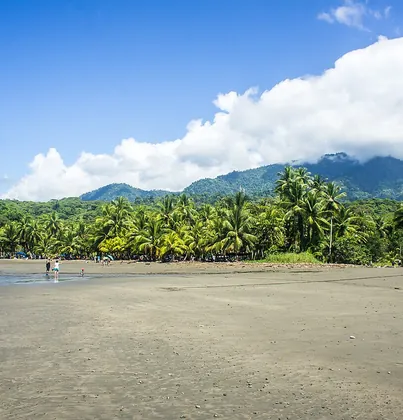
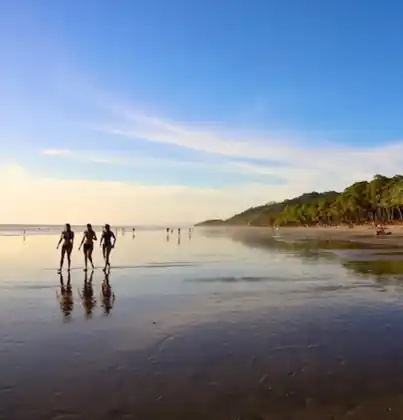
- Playa Manuel AntonioInside the gate, this cove is the calmer swim, and it is still not a pool. Monkeys work the sand, so do not leave food out. Shade thins by noon.
- Sloth trailsLook up, and walk slower than the group ahead of you. Morning is when you actually see a sloth. They will not perform for a late crowd.
- Monkey beachesCapuchins and squirrel monkeys work these beaches. Do not feed them, and do not set a bag down. Come early, before they start begging.
- Punta Catedral hikeThe loop climbs, then returns on the far side. Roots are slick after rain, and it is steeper than it looks. Do it before the path is a queue.
- Snorkeling covesRocky edges inside the park take a mask when the sea is calm. Morning is clearer. If the outside beach is dumping, these coves are stirred up too.
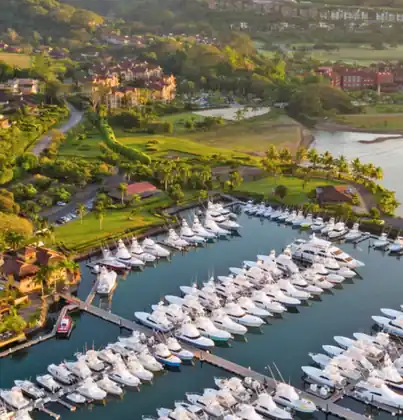
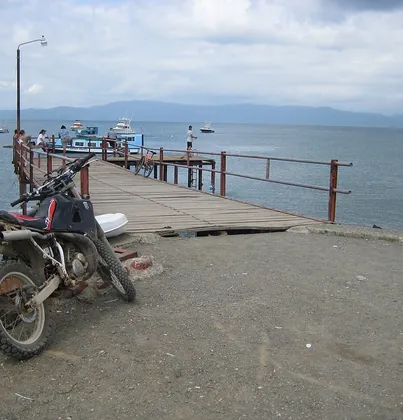
- Quepos marinaThe sportfishing marina is a short ride back toward town. Walk the docks and ask what leaves in the morning. It is boats, not a park beach.
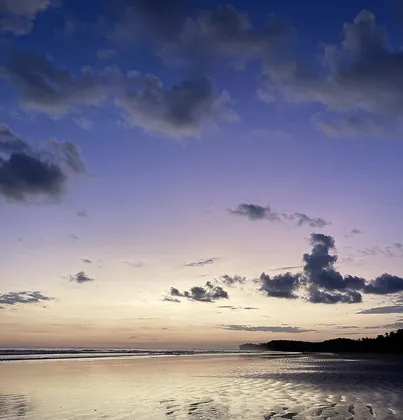
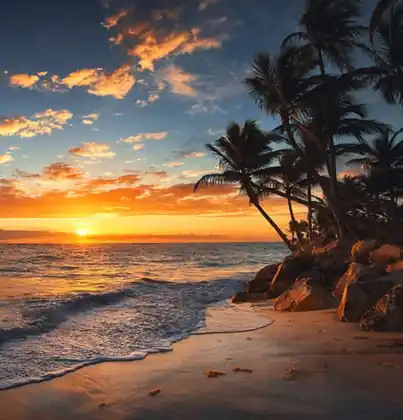
- Espadilla sunsetThe public beach is where the sun drops, and the pull does not stop for it. Do your swimming earlier. Come early if you want space to sit.
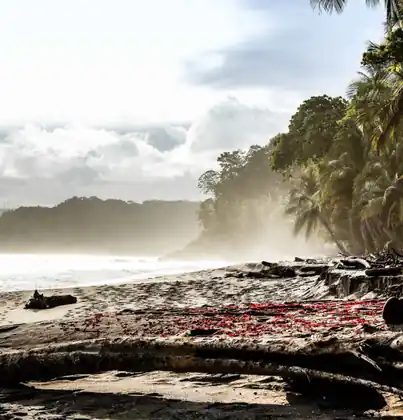
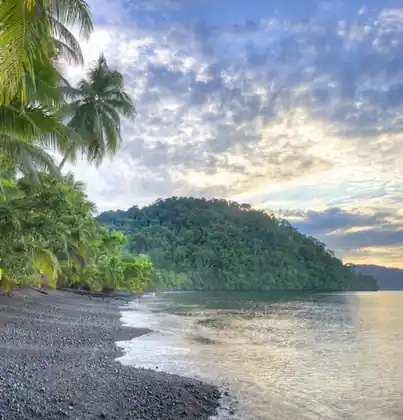
The landscape is rainforest, white-sand coves, and offshore islands. You are likely to see three-toed sloths, squirrel monkeys, white-faced capuchins, iguanas and toucans. The plants around them are beach almond, rainforest canopy and crab-lined shores.
Around Manuel Antonio, sloths and squirrel monkeys are in the park trees in the first hour after the gate opens. By late morning the trails are crowded and the animals are higher. Go in when it opens.
Manuel Antonio National Park caps daily visitors and closes one day a week so wildlife and beaches can recover.
In Manuel Antonio, stay on the trail and do not feed what you came to see. That is the rule that keeps this place the way it is.
The climate is tropical wet. It is hot, about 25–32°C. A shorter dry season from December to April. Heavy rain from May to November. Manuel Antonio rises from sea level to 160 m (525 ft).
In the greener months the morning is still usable, and the rain tends to wait until afternoon. The countrywide calendar is in the best time to visit Costa Rica.
Most people start at Juan Santamaría in Alajuela and continue by car. From the Central Valley, add time for the mountain roads.
The drive is simple until the last kilometers. Arrive in daylight if you do not know the road. Buses, shuttles, and rental cars are compared in getting around Costa Rica.