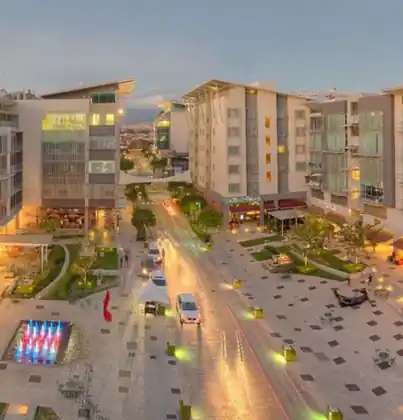
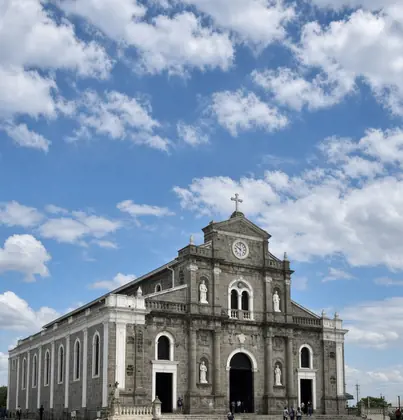
- National Theatre: The coffee-era theatre is on Plaza de la Cultura. See the marble foyer and ceiling, or stay for a show. Ask that day; rehearsals can close it.
- National Museum: History halls fill the old Bellavista barracks, with a stone sphere in the garden. Give it a real visit. Do not stack three more museums after it.
- Central Market: Morning is fruit, coffee, and a plate at a soda. Cash works better than a card in the aisles. Keep the bag in front; many stalls fade after lunch.
- Pre-Columbian Gold Museum: Gold pieces fill rooms under Plaza de la Cultura. The theatre is beside you, so do both on this block. It is a focused visit, not a huge hall.
- Jade Museum: Jade fills a large building on Plaza de la Democracia, beside the national museum. It needs longer than the gold rooms. Do not sprint the cases.
- Metropolitan Cathedral: The cathedral fronts Parque Central, near the theatre. It is a working church. Enter when a service is not using the nave; there is no tour desk.
- Parque Morazán: Trees and the music temple sit a few blocks north of the theatre. Use the shade between indoor stops. It does not deserve a taxi of its own.
- La Sabana Park: The west-end park was an airfield. Paths, a lake, and art in the old terminal. A short taxi from the theatre; plan to stay, not to circle once.
- Barrio Escalante: Streets east of downtown are cafés and dinner, not a monument. Go in the evening and walk. A neighborhood, not one door you are meant to enter.
- Avenida Central: The walking street links the market, the cathedral, and the culture plaza. Use it by day. It is a route through a crowd, not a thing you stare at.
The landscape is capital city, central valley, and surrounding hills. You are likely to see clay-colored thrushes, great-tailed grackles, hummingbirds, parakeets and butterflies in the parks. The plants around them are ornamental trees, poró, fig and garden plantings, with La Sabana's urban forest.
Around San José, yigüirros and grackles are in the parks through the morning. Hummingbirds are in the gardens, not on the avenues. This is a city. The forest is a drive.
La Sabana restored from airport to city park, plus protected watersheds in the mountains above the capital.
In San José, do not feed the animals in La Sabana.
The climate is mild highland. Spring-like, about 18–27°C. Dry and sunny from December to April. Afternoon rain from May to November. San José sits at 1,170 m (3,840 ft).
Pack a light layer for after dark. The days do not need it. The countrywide calendar is in the best time to visit Costa Rica.
The airport for this region is Juan Santamaría in Alajuela. Once you are in the valley, San José traffic matters more than the kilometers.
Traffic decides the time, not the kilometers. A short hop can take an hour. Buses, shuttles, and rental cars are compared in getting around Costa Rica.