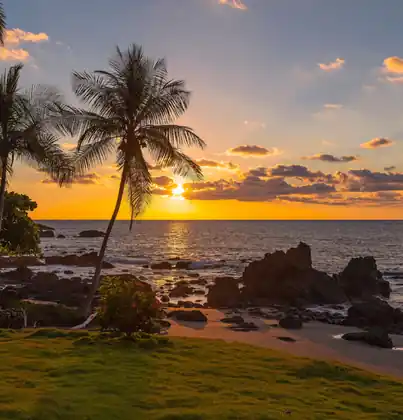
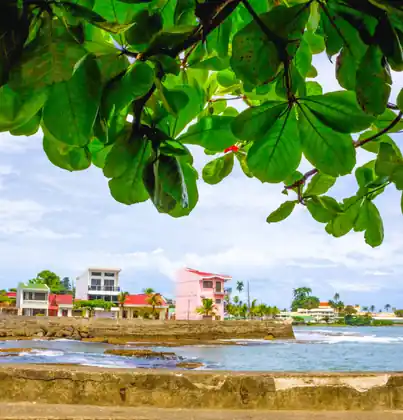
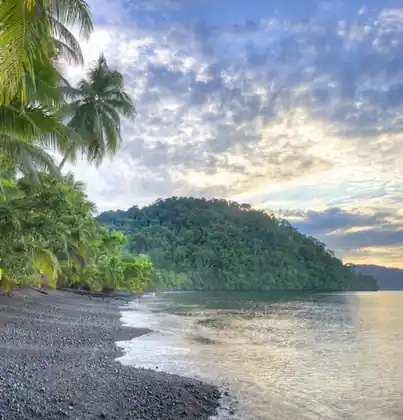
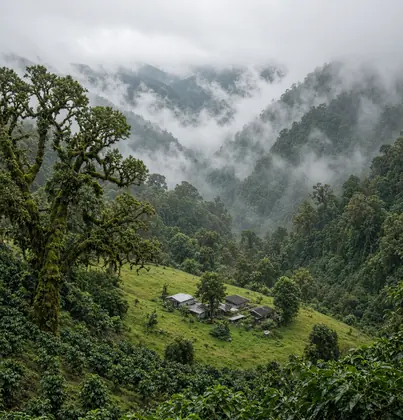
- Gandoca-Manzanillo refugeHouses sit inside the refuge: sand, forest, and a marine edge. Paths are rough, with no big visitor hall. Stay on the trail; the road ends here.
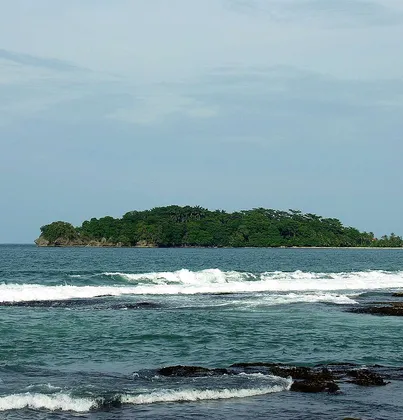
- Manzanillo reefCoral sits close to the sand. Enter early, before wind lifts the silt, and keep off it. A calm morning is the plan; later the water turns milky.
- Punta UvaThe point shelters a calmer swim when the sea is flat. A short drive, or a hot walk. Shade is thin, so bring your own; this is not a surf break.
- Cocles beachToward the busier town, the beach is long and a wave shore, not the sheltered point. Watch a set before you swim. You drive between the two.
- Jaguar Rescue CenterAt Playa Chiquita, animals in care are shown at set times. You do not wander the grounds. It is not a zoo, and it is not a place to touch them.
- Reef snorkelingFrom the beach or a short boat, you look for fish over coral heads. Feet stay up. Trade wind turns the water milky; keep your fins off the reef.
- Howler trailsHowlers call at dawn and late day in the trees behind the sand. You hear them first. Keep back, and do not feed them; side paths turn to mud.
- Dolphin toursBoats go out looking for dolphins. You may not see one, and a rough sea cancels the trip. Morning is the usual plan; bring a bottle; you may not land.
- Puerto ViejoFood, the bus, and a louder night are a short drive northwest. This end stays quiet. Go there for errands, not because the beach there is wilder.
- Gandoca lagoonA long path past the houses, toward Panama, reaches the lagoon. Birds and caiman use it. Do not swim; a guide is wiser; it is not a roadside pond.
For breaks and seasons, see best surf spots in Costa Rica.
The landscape is caribbean beach, reef, and rainforest. You are likely to see sloths, howler monkeys, poison-dart frogs, toucans and reef fish. The plants around them are coral, coconut, cacao, beach almond and Gandoca rainforest.
Around Manzanillo, sloths are in the refuge trees at first light, on the trail south of the village. Reef fish are a morning in the water, before the surface chops. Frogs are after dark.
Gandoca-Manzanillo Wildlife Refuge, co-managed with the community, protects the reef, lagoon and nesting turtles.
In Manzanillo, nesting beaches need low lights and a guide who follows the rules. On the trails, stay on the marked path.
The climate is tropical wet. It is hot and humid, about 25–31°C. Rain year-round, heaviest from November to January, with a drier spell in September and October. Manzanillo sits at sea level.
A dry morning can still rain by afternoon. Pack for both on the same day. The countrywide calendar is in the best time to visit Costa Rica.
Most people leave Juan Santamaría in Alajuela, take Highway 32 through Braulio Carrillo National Park, and reach Limón. The coast road then continues to Cahuita, Puerto Viejo, and Manzanillo.
The road along this coast is slower than it looks. Do not start it late. Buses, shuttles, and rental cars are compared in getting around Costa Rica.