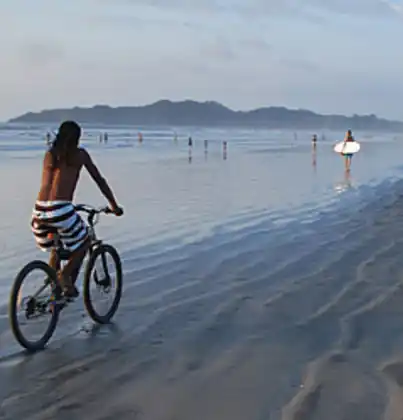
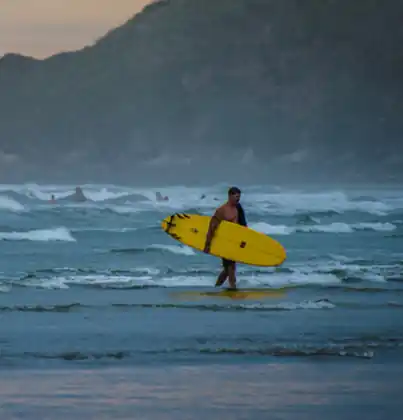
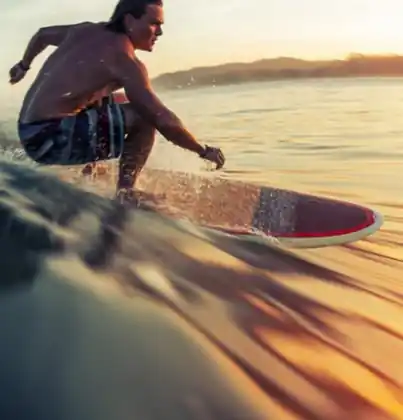
- Surf lessons on Playa Sámara: A reef across the mouth keeps the whitewater soft, so the bay suits a first lesson as well as a swim. Go in the morning. Later the wind puts a short chop on it.
- Isla Chora: A short boat or kayak gets you out. Reef rings the rock, and low tide shows more of it. Bring water. Nothing is for sale once you land.
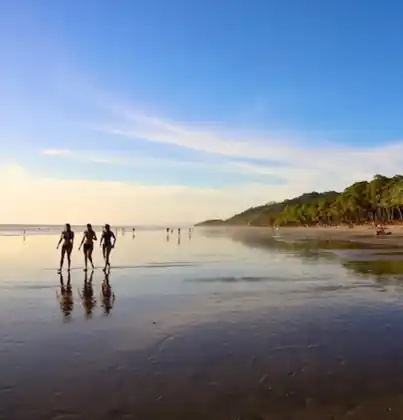
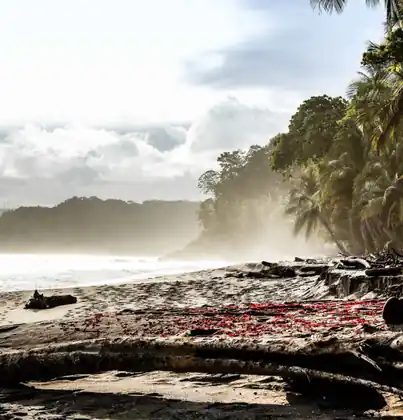
- Playa Carrillo: The next bay south is a long palm crescent, a walk more than the town strip. Swim if the surface is calm. Do it before the sun is high.
- Cangrejal tide pools: The pools sit in the rock and show only at low tide. Footing is slippery, and the rising tide covers them. This is not the bay swim.
- Werner Sauter waterfall: The pool under the fall is cold, and the way back is uphill. Go down in the morning and climb out before the heat sits on the trail.
- Camaronal Wildlife Refuge: Olive ridleys nest on this refuge south of Carrillo. A night visit is with a guide. By day the surf can be strong. It is not a casual swim.
- Punta Islita: South of town on a slower road: a village, art in the open, and a beach. Give it the morning. You will not see it from the car window.
- Playa Buena Vista: Read a few sets before you get in. This beach is more open than the reef sheltered bay in town, and the bottom changes with the tide.
- Beach horseback ride: The tide decides which sand you can ride. The loop follows the beach or the trees and takes the morning. It is not a short photo stop.
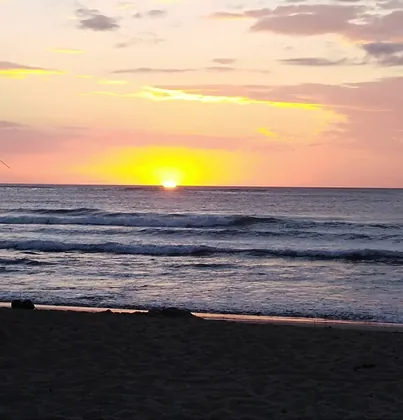
- Sunset on Samara: The bay faces west and the sand fills as the light drops. Arrive while there is still a clear patch to sit on, not at the last glow.
The landscape is beach, reef, and palm-lined bay. You are likely to see howler monkeys, white-faced capuchins, brown pelicans, iguanas and reef fish around Isla Chora. The plants around them are dry-forest trees, beach almond and coconut palm along the bay.
Around Playa Sámara, howlers are in the trees behind the bay at first light. Reef fish at Isla Chora are a morning boat. By noon the wind is on the bay and the monkeys have gone quiet.
Camaronal Wildlife Refuge protects olive ridley nesting, with local beach cleanups on Samara and Carrillo.
In Playa Sámara, nesting beaches need low lights and a guide who follows the rules. On the trails, stay on the marked path.
The climate is tropical dry. It is hot, about 28–33°C. Little rain falls from December to April. Afternoon showers fall from May to November. Sámara sits at sea level.
In the greener months the morning is still usable, and the rain tends to wait until afternoon. The countrywide calendar is in the best time to visit Costa Rica.
The nearest airport is Daniel Oduber in Liberia. Juan Santamaría in Alajuela is the other option. From the Central Valley the road crosses mountains, so the drive takes longer than the map says.
The drive is simple until the last kilometers. Arrive in daylight if you do not know the road. Buses, shuttles, and rental cars are compared in getting around Costa Rica.